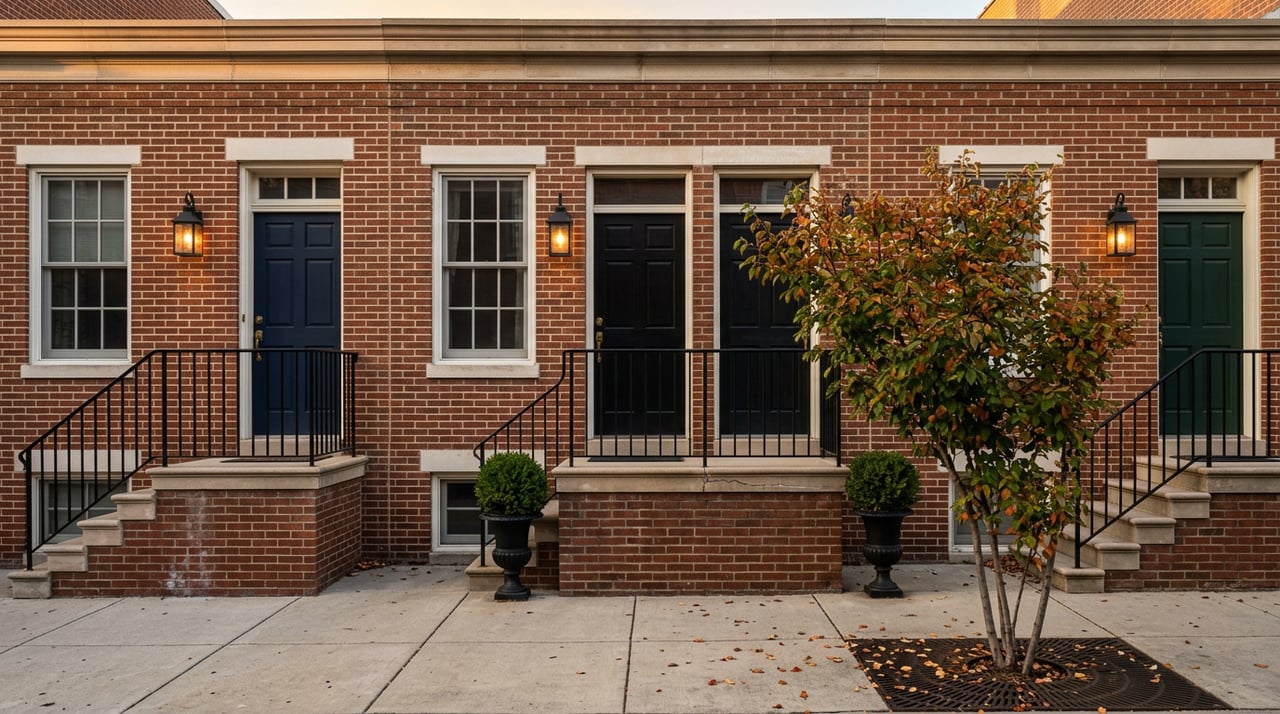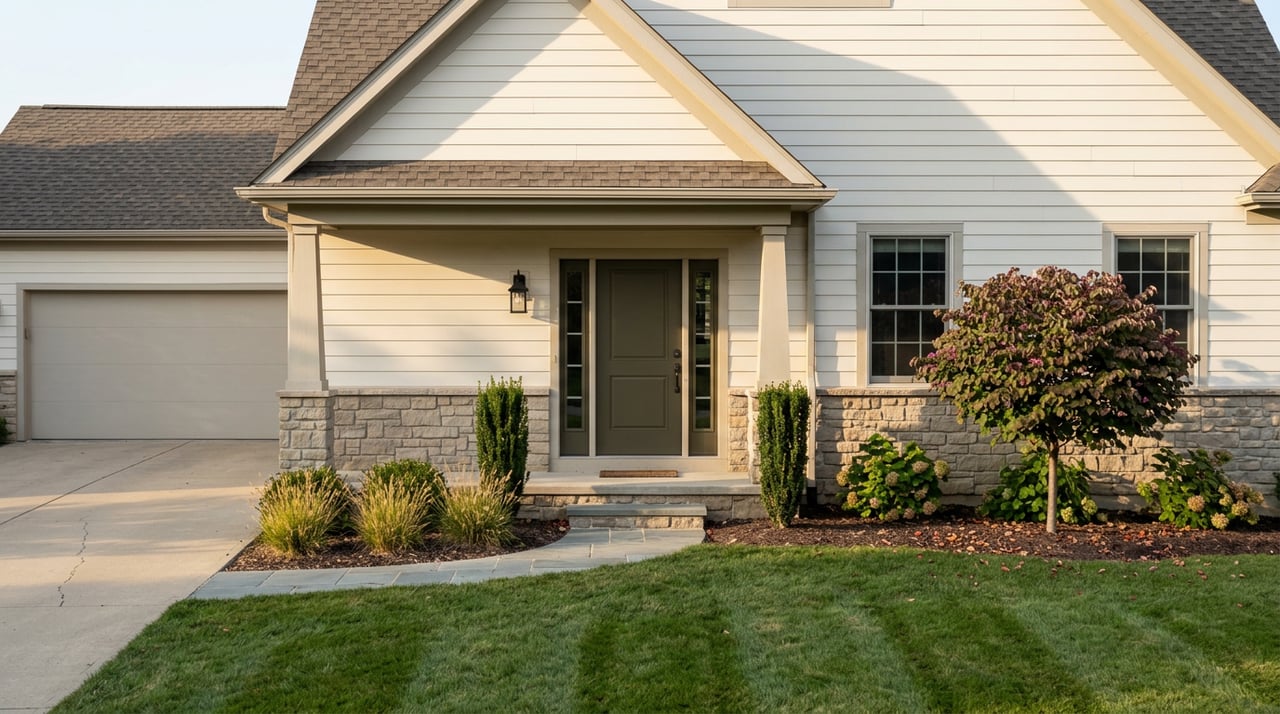
Trying to choose between a condo and a townhome in Dublin? You are not alone. These two options can look similar from the curb, yet the fees, upkeep, and resale paths can be very different. In this guide, you will learn how each property type works in Ohio, what fees usually cover, how maintenance responsibilities shake out, and what to consider for resale in Dublin. Let’s dive in.
Quick definitions in Ohio
What a condo means
A condominium is ownership of your unit’s interior plus a shared interest in common elements like the roof, exterior, hallways, and grounds. A condo association manages those common elements and sets rules, budgets, and assessments. Your monthly dues fund operations and reserves for major repairs. In practice, most exterior care is centralized.
What a townhome means
A townhome is usually a multi-level attached home. Ownership is often fee simple, which means you own the structure and sometimes the land beneath it. Many townhome communities in Ohio also have an HOA that manages shared areas. Depending on the recorded rules, you may be responsible for exterior components like the roof and siding, or the HOA may handle them.
Why legal setup matters in Dublin
Ohio law distinguishes between condominiums and planned communities under Ohio Revised Code Chapters 5311 and 5312. In Dublin, a townhome can be part of a condominium or a planned community. That legal framework drives who fixes what and how fees are assessed. Always confirm whether the home is organized under a condo declaration or a planned community HOA before you compare costs.
Fees in Dublin communities
What monthly dues usually cover
Most condo and HOA dues fund common-area care and long-term capital needs. Typical line items include:
- Landscaping, snow removal, and exterior lighting
- Building insurance on common elements through a master policy
- Exterior repairs and reserves for big projects
- Trash service and sometimes water or sewer
- Amenities such as pools, clubhouses, or fitness rooms
You still pay your own property taxes. You also carry your own policy for the interior. Condo owners often use an HO-6; townhome owners may need an HO-3 if they own the structure. Match your policy to the master coverage.
Special assessments and reserves
Associations collect monthly dues to build reserves for major repairs. If reserves fall short when big projects hit, owners may face a special assessment. Two signals to check early are the current reserve balance and the date of the last reserve study. Strong reserves reduce surprise costs and help stabilize dues.
Condo vs townhome fee patterns
- Condos often have higher monthly dues because the association manages most exterior systems and carries a larger master policy. Your personal to-do list is lighter.
- Townhome dues can be lower or similar, but responsibilities vary. In some Dublin townhome communities, owners handle roofs and siding. In others, the HOA covers them. Read the documents to see what you are paying for.
How to compare fees across Dublin
When you review a specific condo or townhome, ask for:
- A clear list of what the monthly fee covers
- The current budget, recent financials, and reserve study date
- Any past or pending special assessments
- Master insurance details and what you need to insure personally
- Rules about utilities, parking, pets, and rentals
Neighborhoods like Bridge Park, Tuttle Crossing, Historic Dublin, and Muirfield Village each offer different product types and HOA structures. The right comparison is development by development, not condo vs townhome in the abstract.
Upkeep and maintenance
Who handles what
Responsibilities depend on the recorded documents, but these general patterns apply:
- Exterior structure: Condos are usually association-maintained. Townhomes vary by HOA rules.
- Grounds and snow: Often handled by the association for both.
- Common elements: Stairs, elevators, hallways, and shared systems are association items in condos.
- Interior systems: You maintain your appliances, flooring, and most interior HVAC in both property types.
- Parking and driveways: Condos often include association-maintained lots. Townhomes may have private driveways you maintain.
Cost drivers in central Ohio
Age and amenities matter. Older buildings need more frequent capital projects like roofs, siding, and paving. Amenities such as pools, clubhouses, garages, and elevators increase operating and reserve needs. Ohio’s freeze-thaw cycles add wear to roofs, sealants, and concrete, so timing for replacements is a key budget item.
What to inspect before you buy
Walk the common areas and review the paperwork. Focus on:
- Reserve study date and findings
- Recent capital projects and what is coming next
- Landscape, snow, pool, pest, and other maintenance contracts
- Management company name and responsiveness
- Visible condition of roofs, paving, siding, lighting, and entryways
Resale and buyer demand in Dublin
Who each option tends to attract
- Condos draw buyers who want lower-maintenance living, including first-time buyers and downsizers. Investors may also be interested, depending on rental rules.
- Townhomes appeal to buyers who want space and a single-family feel with some shared services. Private outdoor areas and garages can be strong selling points.
Financing and appraisal notes
Conventional loans are common for both property types. Some lenders require project approval for condos, which can limit FHA or VA options if the development is not approved. Appraisers look at recent comparable sales, association health, special assessments, and owner-occupancy ratios. Limited sales of similar condos or townhomes in Dublin can make pricing more sensitive.
What boosts resale in Dublin
Buyers value convenience and well-run associations. Factors that can help include:
- Proximity to Bridge Park, Historic Dublin, parks, major roads like I-270 and US-33, and civic amenities
- Strong association financials with healthy reserves and no large pending assessments
- Clear rental policies and balanced owner-occupancy
- Curb appeal and well-kept common areas
- A track record of recent comparable sales that support pricing
Seller tips for condos and townhomes
Prepare your HOA packet early
Make the association details easy for buyers to understand. Gather:
- Declaration, bylaws, rules, and architectural guidelines
- Current budget, recent financials, and reserve study summary
- Any assessment disclosures and litigation updates
- Master insurance summary and coverage notes for owners
- Contact details for the management company
Highlight what buyers value
- For condos, emphasize included services, low-maintenance living, and amenities.
- For townhomes, showcase private outdoor space, garage features, and any exterior upgrades you control.
Price and present with local comps
Use recent Dublin sales for your specific property type and community to set strategy. Clean, decluttered spaces and tidy patios or entries make a strong first impression. Clear, accurate fee disclosures build confidence and can reduce days on market.
How to choose what fits you
Map your day-to-day needs
List what matters most: maintenance level, outdoor space, parking, commute routes, and access to restaurants or parks. Rank your must-haves and nice-to-haves.
Compare total monthly costs
Look beyond the list price. Add principal, interest, taxes, insurance, and HOA or condo dues. Note utilities included in dues versus those paid separately.
Review documents early
Ask for governing documents, budget, and reserve study as soon as you are serious about a place. Confirm who pays for roofs, siding, windows, and driveways in that specific community.
Talk with your lender
If you are considering a condo, ask about project approval and any lending limits tied to owner-occupancy or budget issues. Get clarity before you write an offer.
Walk the community
Visit at different times of day. Look at parking, lighting, landscaping, and noise. Well-maintained common areas signal good operations.
When you are ready to compare specific Dublin developments, we can help you review documents, gather comps, and map out total costs so you feel confident about your choice. Reach out to The Oracle Group to Start Your Home Journey.
FAQs
What is the main difference between condos and townhomes in Ohio?
- Condos pair unit ownership with shared ownership of common elements, while townhomes are often fee simple homes in planned communities with HOAs that vary in exterior responsibilities.
In Dublin, what do HOA or condo fees usually include?
- Dues commonly cover common-area upkeep, snow and landscaping, master insurance on shared elements, reserves for major repairs, and sometimes utilities and amenities, depending on the community.
How do special assessments work in a condo association?
- If reserves are not enough for a major project, the association may levy a one-time charge to owners based on the rules in the declaration and budget needs.
Will FHA or VA loans work for Dublin condos?
- It depends on project approval and lender rules; some condo developments meet those standards, while others may limit FHA or VA financing.
What documents should I review before buying a Dublin condo or townhome?
- Ask for the declaration, bylaws, rules, current budget and financials, reserve study, meeting minutes, assessment disclosures, master insurance summary, and rental policies.
As a seller, how can I make my condo or townhome easier to sell in Dublin?
- Prepare a complete HOA packet, disclose fees and coverage clearly, highlight maintenance or amenities, and price using recent community-specific comps to build buyer confidence.