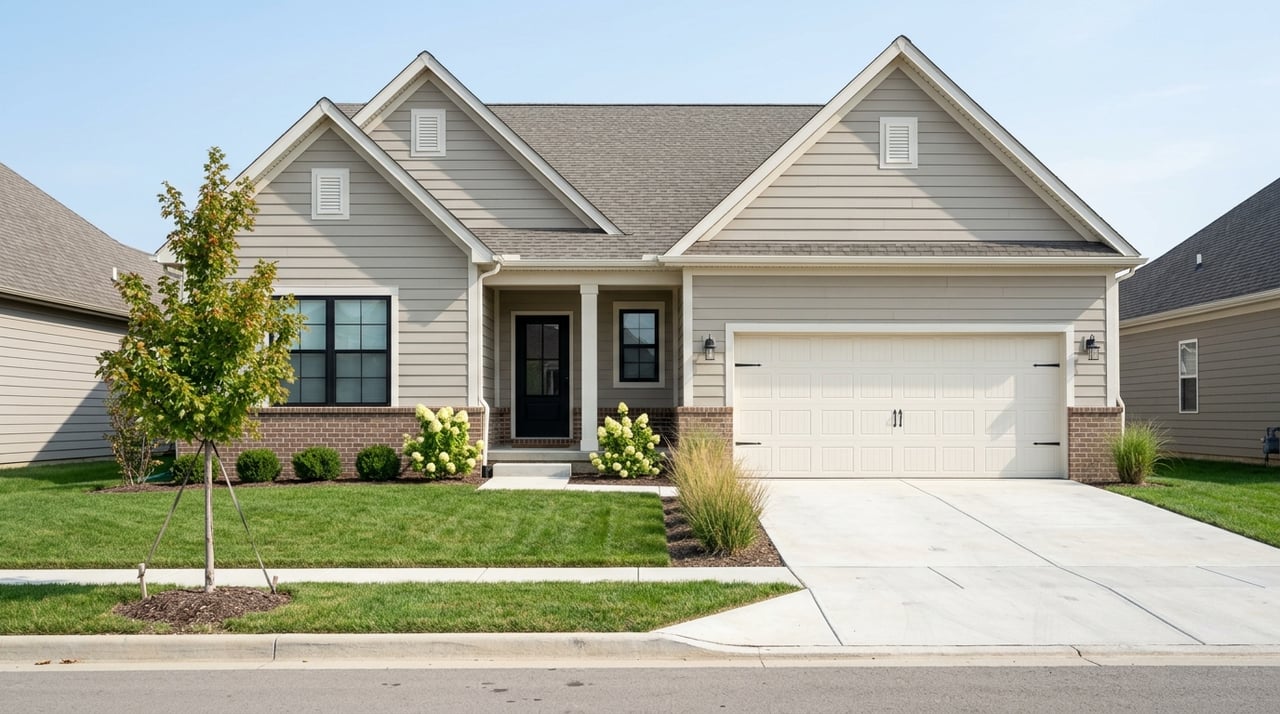
Curious why home prices in Delaware, Ohio, have stayed strong even as more homes are being built? If you are thinking about buying, selling, or simply keeping tabs on your home’s value, it helps to understand what is driving the market. Delaware is not growing by accident, and that growth is shaping demand, inventory, and pricing in real time. Let’s dive in.
Delaware Growth Is Real
Delaware has been adding people at a pace that is hard to ignore. The city’s estimated population reached 46,521 on July 1, 2024, which is up 12.6% from April 1, 2020. Delaware County also grew to 242,032 by July 1, 2025, up 13.0% from 2020.
That kind of population growth matters because more people usually means more demand for housing. When a city adds residents faster than housing can fully catch up, prices often stay elevated. In Delaware, that pattern is showing up in both home values and buyer activity.
The local profile also helps explain why demand has remained steady. In the 2020-2024 period, Delaware city had a median household income of $99,786, median gross rent of $1,286, and 47.8% of adults held a bachelor’s degree or higher. While every household is different, those numbers point to a market with solid buying power.
Home Prices Reflect Demand
Recent market data shows that Delaware home prices are still being supported by strong demand. Redfin reported a median sale price of $423,819 in March 2026, up 12.3% year over year. It also reported 63 days on market and 70 homes sold during that period.
Zillow showed a typical home value of $401,817 as of September 30, 2025, up 2.4% year over year. It also reported 185 homes for sale, 76 new listings, and a median of 12 days to pending. These sources measure the market differently, but both suggest the same broad story: prices remain high, and homes are still moving relatively quickly.
For buyers, that means waiting for a major price drop may not be the safest plan. For sellers, it suggests Delaware still offers a favorable backdrop if your home is priced and presented well. The market may not feel overheated in every segment, but it does appear supported.
Inventory Is Growing, But So Is Pressure
One of the biggest questions in Delaware is whether new construction will ease pricing pressure. Delaware County had 90,157 housing units in 2024, and 2,747 building permits were issued that year. Permits are not the same as completed homes, but they do show active construction and continued investment.
The county also had a 78.5% owner-occupied rate and a median owner-occupied home value of $445,500. Those numbers suggest a market where many households are putting down roots rather than treating the area as a short-term stop.
More homes should create more options over time, especially in newer parts of the market. But when population growth, infrastructure spending, and active development all happen at once, new supply does not always translate into lower prices across the board. In many cases, it simply helps keep pace with rising demand.
City Planning Is Guiding Growth
A big reason Delaware stands out is that the city is not just reacting to growth. It is actively planning for it. The Planning and Community Development department manages growth through the Comprehensive Plan, along with zoning, subdivision, and building codes.
The city’s broader planning effort, called Delaware Together, identified six focus areas. Since then, the Southwest Focus Area Plan was approved in June 2024, and the Southeast plan was approved in March 2025. That tells you the city is shaping where housing, services, and future development are expected to go.
Current zoning applications also show how active the pipeline is. Projects under review include Coughlin Crossing, Boulder Farms, Bowtown Grand, Curtis Street Industrial, and 222 E William Street. Those cases span multiple property types, which points to a city preparing for more residents, more jobs, and more daily activity.
Infrastructure Is Supporting Value
Growth tends to have a bigger effect on home prices when infrastructure improves along with it. In Delaware, several public projects are doing exactly that. Better roads, corridor upgrades, and utility planning can make more land usable and improve how people move through the city.
The Merrick Boulevard Extension will create a new east-west road connection on the northwest side of the city. The city has said this road is being built where new homes are already under construction. That kind of project can make nearby development more practical and more appealing to future buyers.
The Point Improvement Project is another major example. It is a $44.36 million project expected to finish in August 2026, and the city says about 25,000 vehicles a day currently use the route. Traffic on that corridor could rise to nearly 40,000 by 2040, so improved capacity matters for long-term function and growth.
The city is also advancing SR 37 Corridor Improvements to improve capacity and safety. Its 2025-2029 capital plan describes the South Industrial Loop Sewer as important for creating utility-ready industrial, commercial, and mixed-use land. In plain terms, Delaware is investing in the framework that helps future development happen.
Downtown Investment Matters Too
Home prices are not only shaped by subdivisions and road projects. Downtown investment also plays a role in how people view a city over time. When a downtown stays active, functional, and visually maintained, it often reinforces long-term demand.
Delaware’s downtown historic district has architectural standards, and exterior changes require Certificates of Appropriateness. The Downtown Facade Improvement Program can match eligible exterior improvements dollar-for-dollar up to $20,000. That kind of support can help preserve appearance and encourage reinvestment.
The city’s downtown has also been recognized by the American Planning Association as a Great Place in Ohio and a Great Place in America. While awards do not set sale prices on their own, they can strengthen the city’s profile and contribute to its overall appeal.
Why Prices May Stay Firm
Based on the city’s development pipeline and current market numbers, Delaware appears to have a higher price floor than many buyers may expect. New subdivisions and active construction can help add inventory, but they are arriving in a city that is also growing, investing, and planning for continued demand.
That is why broad price softening may be limited. New construction may ease pressure in certain submarkets or price bands, but the bigger picture points toward stabilization more than a sharp drop. Delaware still looks like a place where buyers want to be, and that supports values.
If you are buying, this means strategy matters more than trying to perfectly time the market. If you are selling, it means local positioning is key because buyers are still comparing value, location, and condition carefully. In either case, understanding the forces behind the numbers can help you make a more confident move.
What Buyers And Sellers Should Watch
If you are shopping for a home in Delaware, pay close attention to where growth is happening and how that may affect your options. Areas connected to road improvements, active new construction, or future corridor upgrades may offer more inventory over time. That can give you more choices, even if it does not automatically mean lower prices.
If you are selling, remember that elevated prices do not remove the need for a smart plan. Buyers still respond to presentation, pricing, and timing. A strong local strategy, accurate valuation, and organized marketing can make a real difference in how your home performs.
Delaware is changing, but it is changing in ways that look intentional and well-supported. That is often a sign of a market with lasting appeal rather than a short-lived spike.
Whether you are buying your first home, planning a move-up purchase, or thinking about selling in Delaware, having local guidance can help you make sense of the market. If you want a clearer picture of pricing, timing, and your next steps, connect with The Oracle Group.
FAQs
How is Delaware, Ohio growth affecting home prices?
- Population growth, active development, and infrastructure investment are helping support housing demand in Delaware, which is one reason prices have remained elevated.
Are home prices still rising in Delaware, Ohio?
- Recent data suggests they are. Redfin reported a 12.3% year-over-year increase in median sale price in March 2026, while Zillow reported a 2.4% year-over-year increase in typical home value as of September 30, 2025.
Is Delaware, Ohio still a competitive housing market?
- Current price and timing data suggest that well-located homes still attract attention quickly, even as inventory and new construction continue to grow.
Will new construction lower home prices in Delaware, Ohio?
- New construction may ease pressure in some parts of the market, but based on current growth and development trends, it appears more likely to support stabilization than cause a sharp overall price drop.
Why do downtown and road projects matter for Delaware, Ohio home values?
- Public improvements can strengthen long-term appeal by improving mobility, supporting reinvestment, and helping the city absorb growth more effectively.