Trying to decide between a newer part of Grove City and a more established one? You are not alone. Many buyers like the idea of newer construction and bigger-lot spacing, but they also want convenience, character, and a neighborhood that fits daily life. The good news is that Grove City gives you both options, and each one comes with clear tradeoffs. Let’s break down what to look for so you can choose with confidence.
Grove City Offers Two Different Lifestyles
Grove City is a fast-growing suburb in southwestern Franklin County, with a 2025 population estimate of 45,180. The city also has a 71.4% owner-occupied housing rate, a median owner-occupied home value of $310,400, and a mean commute of 21.6 minutes. With access to I-71, I-270, and SR-665, plus a location less than 10 minutes from downtown Columbus, it appeals to buyers who want suburban living with strong regional access.
What makes Grove City especially interesting is that it is not just one kind of housing market. A 2024 housing snapshot places the median year built for houses and condos at 1995, which points to a mix of established homes and newer development. In simple terms, you are choosing between two different neighborhood experiences, not just two different house styles.
What Newer Grove City Areas Feel Like
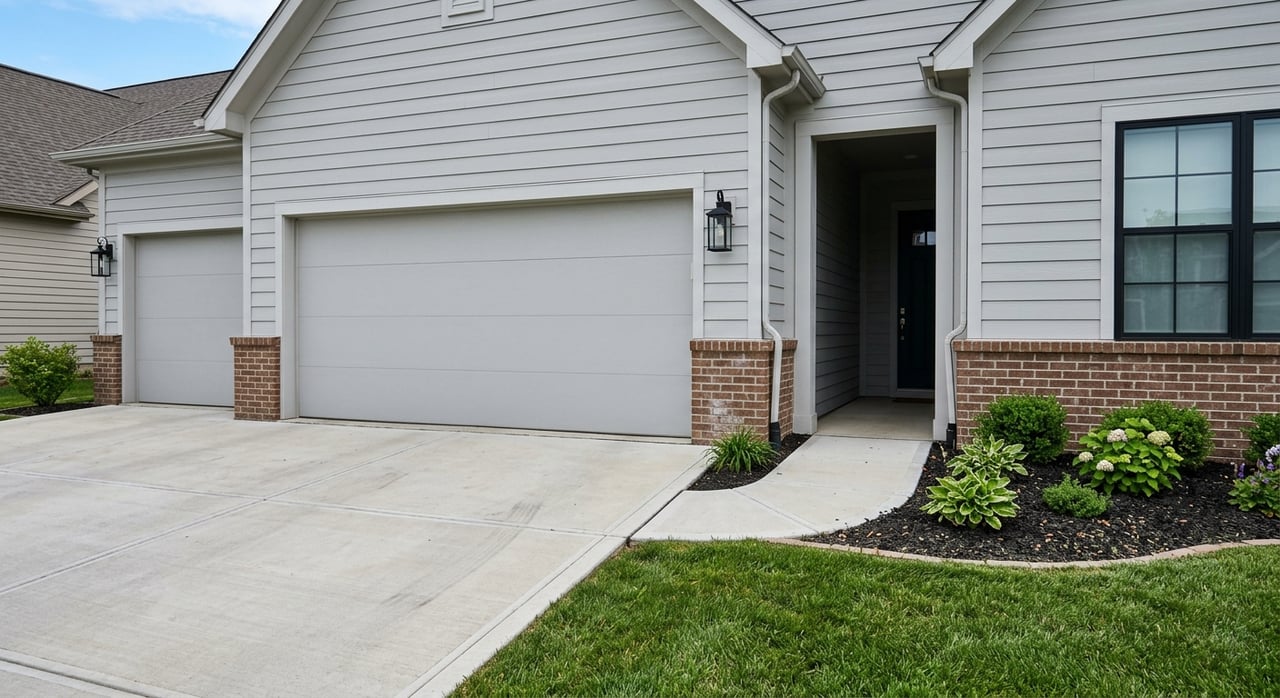
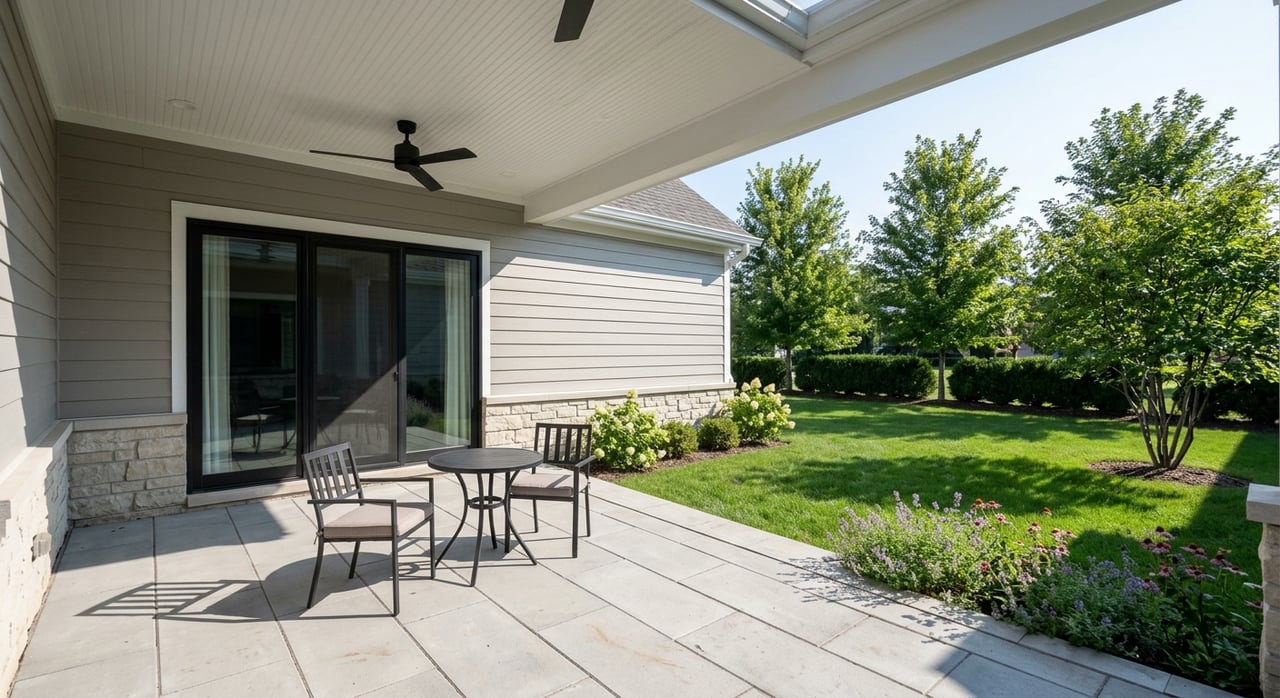
Grove City’s comprehensive plan says newer neighborhoods are being built at lower densities than older neighborhoods. That often means bigger lots, more space between homes, and a more open feel as you drive or walk through the area. If you want a home that feels a little less compact, that can be a strong plus.
Newer areas may also appeal to you if you prefer more recent construction and the look of developing communities. City development pages show active housing and mixed-use projects such as Beulah Park, Broadway Live, PlumRun, and Patrick Property. That tells you some parts of Grove City are still changing around current homeowners.
The tradeoff is convenience on foot. The city notes that lower-density development means parks serve fewer people and walks to parks can be longer. For you, that can mean more driving for errands, recreation, or casual trips compared with a more connected part of town.
Newer Areas May Be Best If You Want
- Larger lots and more separation between homes
- A lower-density street pattern
- A more recently built home
- A neighborhood that still has room to evolve
- Comfort with driving more often for errands and activities
What Established Grove City Areas Feel Like
If you are drawn to walkability and a more settled neighborhood pattern, established Grove City areas may feel like a better fit. The city describes the historic Town Center as a vibrant, walkable area with opportunities for employment and entertainment. The Town Center framework also highlights amenities like the Southwest Public Library, the Gold Star Families Memorial, and newer restaurants and shopping opportunities.
Established streets near the core often feel more connected because they sit closer to major corridors like Broadway/US-62, Stringtown Road, and London-Groveport Road. That can make day-to-day errands, community events, and local destinations feel easier to reach. If being close to activity matters to you, this is worth seeing in person.
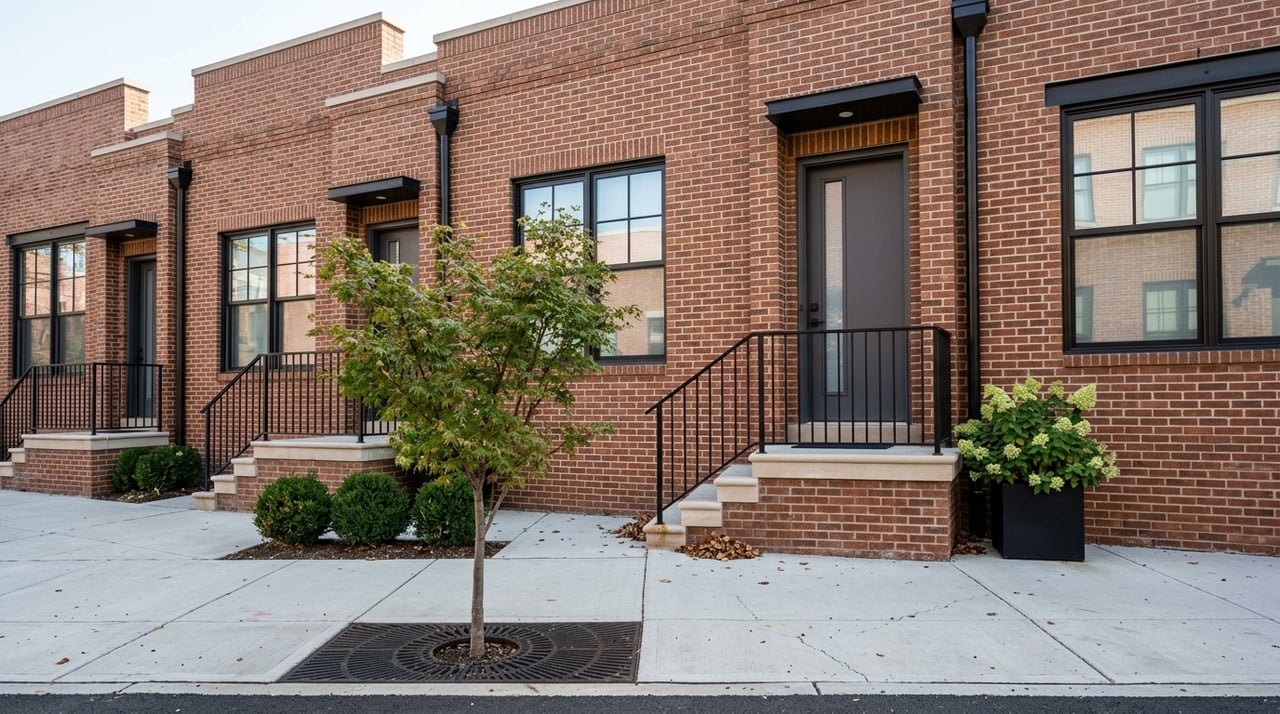
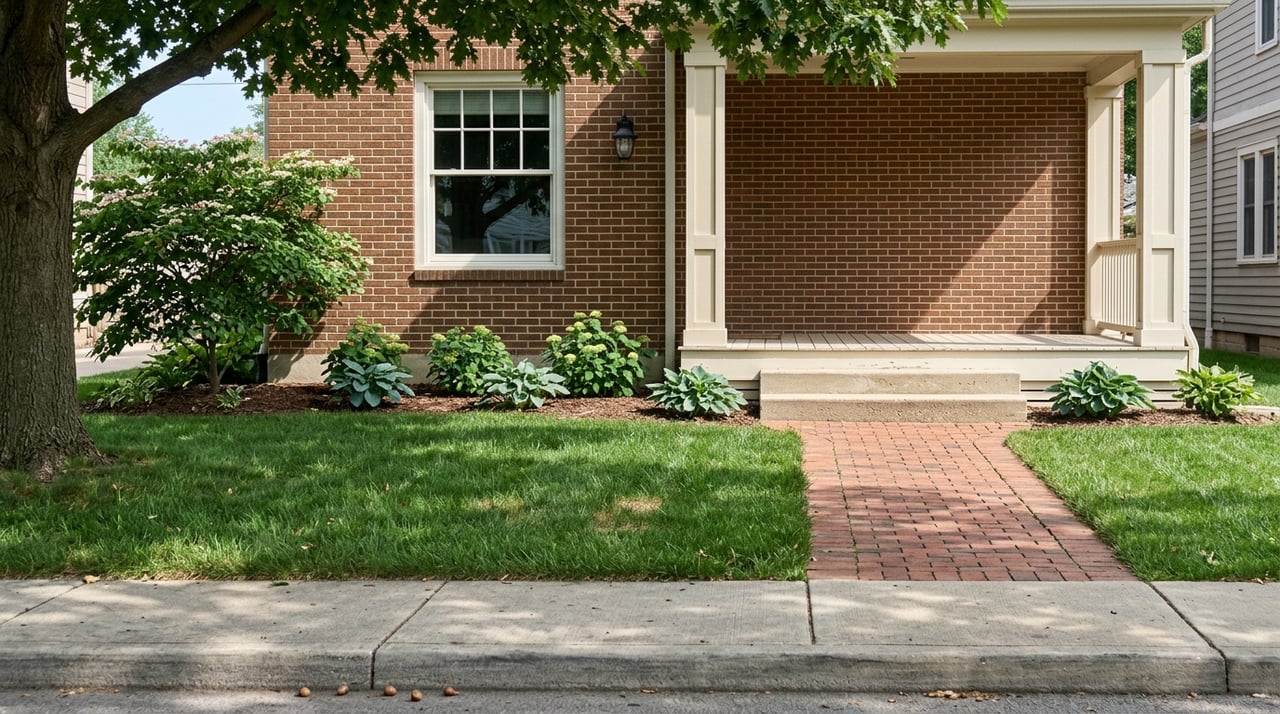
The city’s comprehensive plan also notes that some older planning areas include higher-density neighborhoods, older subdivisions, and places underserved by parks and open space. In real-world terms, you may see tighter lot patterns and less wide-open spacing. Many buyers like that more settled feel, but it is different from newer fringe-growth areas.
Established Areas May Be Best If You Want
- Easier access to Town Center amenities
- A more walkable historic core
- Closer connection to restaurants, shopping, and the library
- Tighter, more traditional neighborhood layouts
- A more settled street feel
Think Beyond The House Itself
It is easy to compare kitchens, flooring, and paint colors, but your daily routine matters just as much as the finishes. The right choice often comes down to how you want to live in Grove City. A home can be beautiful and still feel wrong if the neighborhood setup does not match your habits.
Ask yourself simple lifestyle questions. Do you want to stroll closer to Town Center destinations, or are you happy hopping in the car for most outings? Do you prefer more separation between homes, or does convenience matter more than extra spacing?
Key Questions To Ask Yourself
- How often do you want to drive for errands or recreation?
- Would you use parks or multi-use paths regularly?
- Do you want to be closer to Grove City’s core activity?
- Would future nearby construction bother you?
- Do you prefer a settled neighborhood or one that is still growing?
What To Check In Older Homes
If you are looking in an established part of Grove City, the home inspection and document review become especially important. The EPA says homes built before 1978 may contain lead-based paint, and the older the home, the more likely that becomes. That does not mean every older home is a problem, but it does mean you should ask informed questions.
The Department of Energy also notes that older homes often were not built with modern insulation and can have leaky windows, doors, and ducts. That can affect comfort and monthly costs. A charming home can still be a great fit, but you want to understand its condition clearly before you move forward.
Ask About These Older-Home Items
- Lead-paint awareness for homes built before 1978
- Insulation levels
- Window and door condition
- Duct performance and air leakage
- Dates of major replacements or updates
What To Check In Newer Areas
A newer home may reduce some maintenance concerns, but it brings a different kind of question: what is coming next nearby? Grove City’s long-range planning pages show that new residential and redevelopment activity is still active. If you buy in a newer area, the surroundings may not look the same a few years from now.
That is not automatically a downside. Some buyers like being part of a growing area. Still, you should ask what nearby parcels are planned for future development so you can better understand how your lot feel, views, or traffic patterns might change.
Ask About These Newer-Area Details
- What nearby land is planned for development
- Whether surrounding phases are complete
- How future construction could affect views or privacy
- Whether nearby amenities are already in place or still coming
Verify Before You Compare
No matter which part of Grove City you prefer, a few practical checks can save you stress later. Grove City’s Building & Zoning Division inspects both new and existing buildings and issues permits. That makes permit history and documented updates useful when you compare two homes that may look equally appealing online.
If school assignment matters to your search, verify it by address. South-Western City Schools says its boundary maps are general, and the Franklin County and Pickaway County Auditors ultimately determine district assignment for a property. It is a detail worth confirming early instead of assuming based on a listing description or map.
Test The Neighborhood In Real Time
One of the best things you can do is visit at the time of day you would actually use the area. Grove City’s park system includes 30 parks, 347 acres of parkland, 171 acres of open space, and more than 38 miles of multi-use paths. But access can feel very different depending on where in the city you are touring.
Try the route to parks, Town Center, or major corridors yourself. See how it feels to drive, walk, or simply move through the area during a normal weekday or weekend. That quick test often tells you more than listing photos ever can.
How To Make The Right Choice
There is no one-size-fits-all answer between newer and established Grove City areas. If you want larger lots, lower-density streets, and newer construction, a newer section of Grove City may feel right. If you want easier access to Town Center and a more connected, established setting, the older core may check more boxes.
The key is matching the neighborhood to your real routine, not just your wish list. When you compare homes with that lens, your decision usually gets much clearer. If you want help narrowing down the right fit in Grove City, The Oracle Group can guide you through the options with local insight and a low-stress plan.
FAQs
What is the main difference between newer and established Grove City areas?
- Newer Grove City areas often have lower-density streets, bigger-lot spacing, and more recent construction, while established areas often offer tighter lot patterns and easier access to Town Center, shopping, restaurants, and other core amenities.
Are newer Grove City neighborhoods still being built out?
- Yes. Grove City development pages show active housing and mixed-use projects, which means some newer areas are still evolving around current homeowners.
What should you check when buying an older Grove City home?
- Ask about lead-paint awareness for older homes, insulation, windows, doors, ducts, and the dates of major replacements or updates.
Why does walkability vary across Grove City neighborhoods?
- Grove City’s planning documents say newer neighborhoods are generally built at lower densities, which can increase the distance to parks and daily amenities compared with more established areas near the historic core.
How can you verify school assignment for a Grove City home?
- Verify the assignment by property address, because South-Western City Schools says boundary maps are general and county auditors ultimately determine district assignment.
Why should you review permit history for a Grove City property?
- Grove City’s Building & Zoning Division issues permits and inspects new and existing buildings, so permit history can help you confirm documented updates and compare homes more accurately.