Staring at a map of Columbus and trying to pick the right place to buy can feel overwhelming. You want a home that fits your lifestyle, your budget, and your commute. You also do not want to miss anything important that could affect your daily life or long-term value. This guide walks you through a clear, step-by-step way to compare Columbus neighborhoods by commute, home style, price, and everyday amenities so you can move forward with confidence. Let’s dive in.
Start with your priorities
Before you compare areas, get clear on what matters most. Columbus has several broad market types, and knowing your fit makes the search easier.
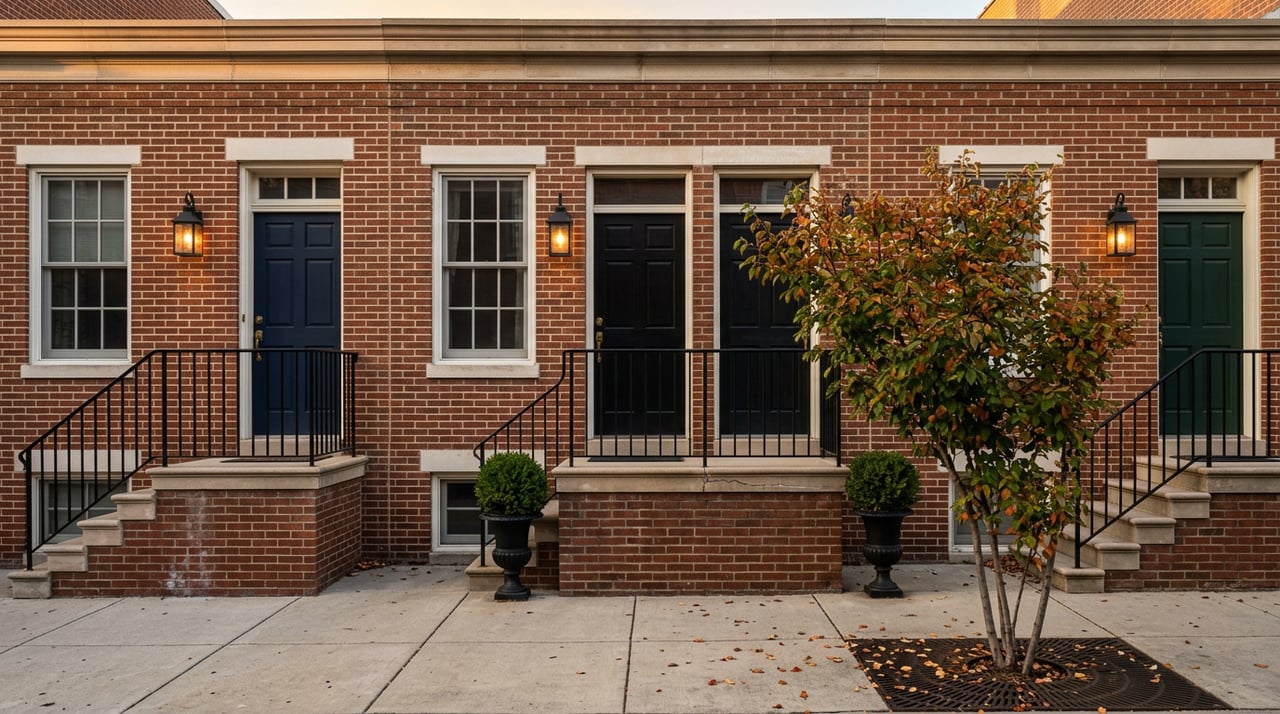
- Urban core: Walkable areas near downtown, Ohio State, and major medical centers. Expect condos, townhomes, duplexes, and small single-family homes.
- Inner-ring older neighborhoods: Bungalow and craftsman-era housing with character features and smaller lots.
- Mid-century suburbs: Postwar ranches and split-levels with simpler maintenance and often one-story living.
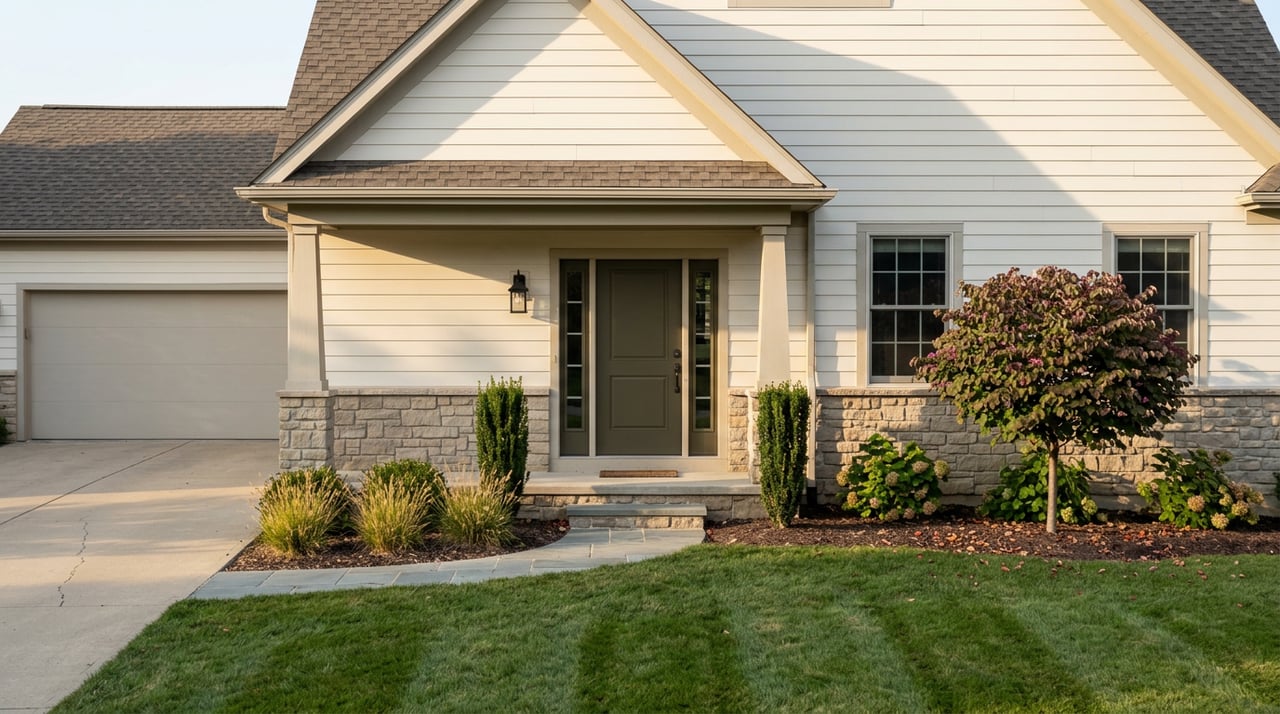
- Newer subdivisions: More modern finishes, builder warranties, and larger floor plans, typically farther from the core.
Ask yourself which buyer profile sounds like you:
- Urban renter-to-owner: Short commute and walkability are top priorities.
- Starter single-family buyer: Yard, garage, and lower maintenance matter more than walkability.
- Value or renovation buyer: You are open to updating an older home to build equity.
- Commuter or remote worker: Space and highway access beat a short commute.
Set your non-negotiables. Typical must-haves include commute time, budget ceiling, home type, and school needs. Use these to build a short list of target areas.
Compare commute options
Commute is one of the biggest tradeoffs in Columbus. The region is auto-dominant, but you have options.
- Driving: Check peak-hour drive times to your workplace using map tools. Note highway access and major arterials.
- Transit: Review Central Ohio Transit Authority routes, frequency, and any park-and-ride options along your corridor.
- Biking and walking: Look for protected bike lanes and continuous sidewalks near daily needs.
Be honest about your tolerance. A shorter commute often raises housing prices, while longer drives can buy more space. Areas with stronger transit typically have denser housing and may offer less off-street parking. If you work irregular hours, test the route at morning, midday, and evening.
Match home styles to lifestyle
Columbus offers a wide range of housing types. Each comes with benefits and things to check.
- Older urban and inner-ring homes: Victorian, Craftsman, and bungalow styles offer character. Expect smaller lots and potential system updates. Confirm roof age, electrical and HVAC condition, and drainage. Homes built before 1978 may pose lead paint or asbestos risks.
- Mid-century single-family: Ranches and split-levels can mean easier maintenance and fewer stairs. You may need to open up floor plans.
- Townhomes and condos: Lower exterior maintenance and a smaller footprint. Budget for HOA fees and review association rules.
- New construction: Modern layouts and builder warranties. Lots may be smaller and designs more uniform.
A thorough home inspection is essential. If you are renovation-minded, get contractor estimates before you bid.
Set your price band
Rather than fixating on single numbers, think in price bands that match your goals:
- Entry-level: Condos, smaller single-family homes, or fixers.
- Mid-range: Move-in ready single-family homes with modest yards.
- Higher end: Newer builds, larger lots, or close-in locations.
To dial in your budget:
- Review current city and zip-level median prices from Columbus REALTORS and your agent’s MLS data.
- Add property taxes and homeowners insurance to your monthly payment estimate.
- Get a mortgage preapproval and ask about first-time buyer assistance at the state or local level.
This view helps you compare what your money buys in each area and how a slightly longer commute might open more options.
Check everyday amenities
Think about how you live Monday through Sunday. You will feel the impact of amenities every day.
- Daily needs: Proximity to a grocery store, pharmacy, primary care, and dental care.
- Parks and recreation: Access to playgrounds, trails, and green space.
- Childcare and schools: Availability near your route and schedule.
- Dining and cafés: Local restaurants and coffee spots that fit your routine.
- Walkability: Use walkability tools for a quick read, then verify on foot.
Higher walkability often comes with smaller units and higher prices. Entertainment districts add energy and access to cultural venues, but may bring more traffic and noise. Visit both weekdays and weekends to see the difference.
Understand schools and services
If schools matter to you, treat boundaries as a decisive factor. School zones are set by local districts and can change. Verify the current assignment for a specific address with the district, and review state and third-party performance reports for context. If private or parochial schools are part of your plan, note how that affects pick-up, drop-off, and commute time.
Public services also shape daily life. Compare trash and recycling schedules, snow removal and street maintenance, and local code enforcement. These vary by neighborhood and can influence convenience and property upkeep standards.
Safety, taxes, and risk checks
Use objective, multi-year data to understand safety. Review Columbus Division of Police crime maps and dashboards for trends instead of relying on single events or neighborhood forums.
Verify taxes and property details through the Franklin County Auditor. Confirm lot size, year built, current tax assessments, and any special assessments. Then check utilities and typical monthly costs with local providers.
Finally, confirm environmental risks. Use FEMA flood maps and local stormwater resources to see if a property lies in a floodplain or needs elevation certificates.
Watch future change
Planned public projects, zoning updates, and redevelopment can change a neighborhood’s feel and value trajectory. Review City of Columbus planning maps, corridor studies, and planning commission agendas for:
- Transportation upgrades or new transit service.
- Park expansions and trail connections.
- Zoning changes that allow added density or new commercial nodes.
- Major redevelopment or infill proposals.
Future change can be a plus or a tradeoff. A new corridor project might improve access over time while bringing construction impacts in the short term.
A simple decision framework
Use this quick path to narrow your choices and move forward:
- Prioritize non-negotiables. Set a commute cap, budget ceiling, desired home type, and school needs.
- Create a short list. Pick 4 to 6 areas that meet those basics using current market data.
- Compare apples to apples. For each area, record median price, inventory, typical home age and style, commute time, walkability indicators, school context, and 3 to 5 year safety trends.
- Visit at different times. Check morning, midday, and evening noise, traffic, and parking. Walk the blocks you would use daily.
- Run comps and financing. Work with your agent to review comparable sales, then confirm mortgage options and any first-time buyer programs that fit your profile.
- Reassess and decide. Be ready to trade one priority for another, such as a smaller yard for a shorter commute.
Columbus neighborhood checklist
Keep this checklist handy while you compare areas:
- Commute: Peak-hour drive or transit time to work, nearest highway or arterial, and transit route frequency.
- Housing: Common home styles, typical year built, lot sizes, and presence of HOAs or condo associations.
- Cost: Median sale price trend, property tax range, and typical utilities and insurance.
- Amenities: Grocery and pharmacy within a short drive or walk, parks and playgrounds, childcare options, and dining nodes.
- Schools: District assignment and basic performance context. Verify for the specific address.
- Safety: 3 to 5 year crime trend and local police precinct.
- Future change: Planned infrastructure or redevelopment nearby.
- Environmental: Floodplain status or known environmental constraints.
How we help first-time buyers
You do not have to do this alone. We bring neighborhood-level knowledge, real-time MLS access, and a calm, organized process to every first-time purchase. Here is how we support you:
- Buyer representation from search to close.
- Mortgage and first-time buyer financing referrals.
- Neighborhood short lists matched to your commute, budget, and lifestyle.
- On-the-ground tours at different times of day, plus comps and offer strategy.
- Closing coordination so inspections, repairs, and paperwork stay on track.
When you are ready, we can help you focus your search and move with confidence. Connect with The Oracle Group to get started.
FAQs
How do I balance commute and price in Columbus?
- Map peak-hour drive times to your workplace and compare them with median prices by area. Measure the cost of saving each 5 to 10 minutes and decide where the tradeoff feels right.
Are condos or townhomes cheaper long term in Columbus?
- They can have lower purchase prices and exterior maintenance, but factor HOA dues, possible special assessments, and resale demand. Review association financials before you buy.
What should I expect when renovating older Columbus homes?
- Many pre-1950 homes need system upgrades like electrical, HVAC, and roofs. Order a thorough inspection and get contractor estimates before writing an offer.
How do school zones work in Columbus?
- Boundaries are set by local districts and can change. Verify the assignment for the specific address with the district and review performance reports for context.
Where can I find reliable safety data for neighborhoods?
- Use Columbus Division of Police crime maps and multi-year dashboards to understand trends, rather than relying on forums or single incidents.
What first-time buyer assistance is available in Ohio?
- Programs change over time. Ask your lender and agent about current state and local down payment assistance and tax credit options that match your income and loan type.