Thinking about moving up to a larger home in Hilliard but unsure where to start? You are not alone. Many Hilliard homeowners want more space, a different layout, or a newer build but worry about timing, financing, and whether to buy or sell first. In this guide, you will learn how the 2026 market looks, what move-up homes typically cost, and the exact strategies that work best here. You will also see timelines, prep tips, and financing options you can use to make a smooth transition. Let’s dive in.
Hilliard market at a glance in 2026
The big picture: market-level home values in Hilliard sit in the mid-to-high $300k range, with variation by source and neighborhood. Public portals often show different medians because they use different time windows and methods. What matters for your plan is your street and price band.
Local MLS reporting shows helpful signals for move-up buyers and sellers. Recent snapshots indicate that inventory has risen compared with last year, days on market have lengthened from roughly 21 days to the mid-30s, and months of supply has moved toward about 1.3 months. These trends suggest you may have a bit more time to shop than during the peak frenzy, though well-priced homes still move quickly. You can review MLS-based trends in the Columbus REALTORS and ShowingTime update for Hilliard to calibrate timing and negotiation strategy. See the latest local market update.
Key takeaway: instead of relying on a single median, ask for a current, street-level CMA so you know your list price potential and how competitive your target price band is. That will guide whether you buy first, sell first, or structure a contingency.
What move-up homes cost in Hilliard
Price depends on location, age, and condition. Hilliard’s neighborhoods range from Old Hilliard’s established streets to newer west-side subdivisions and HOA communities. Expect variation by subdivision and lot size.
Single-family ranges
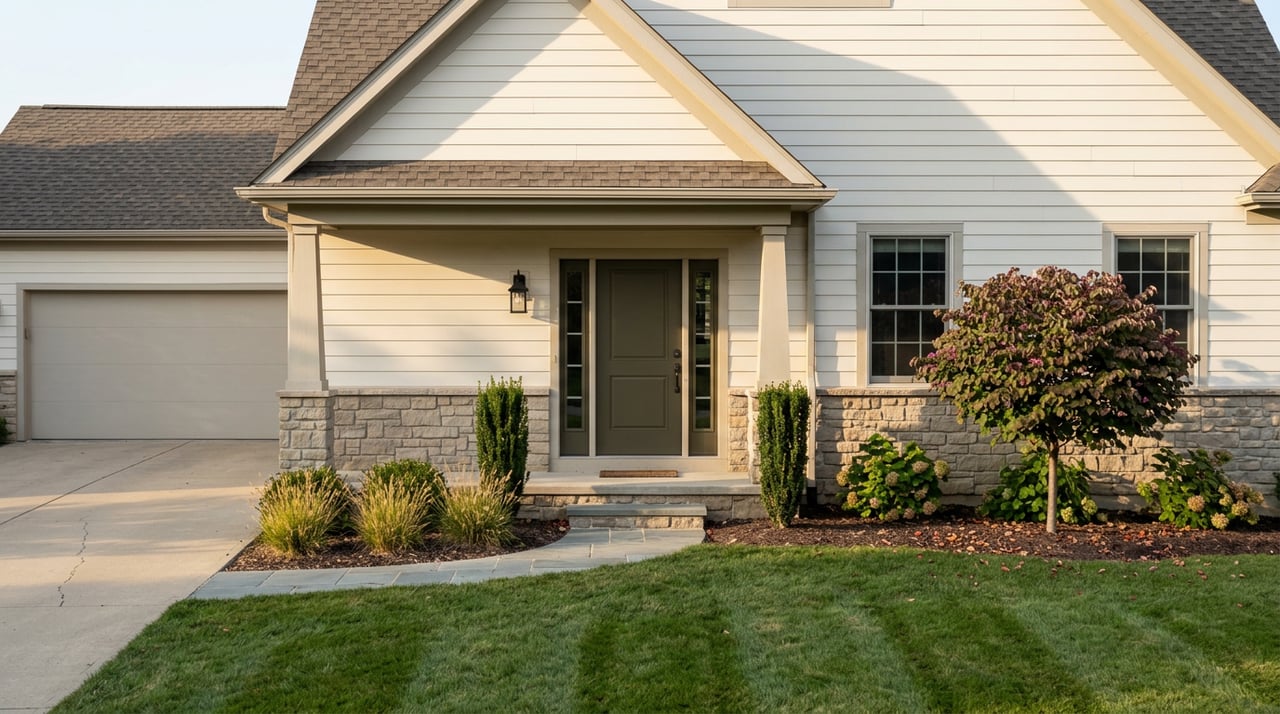
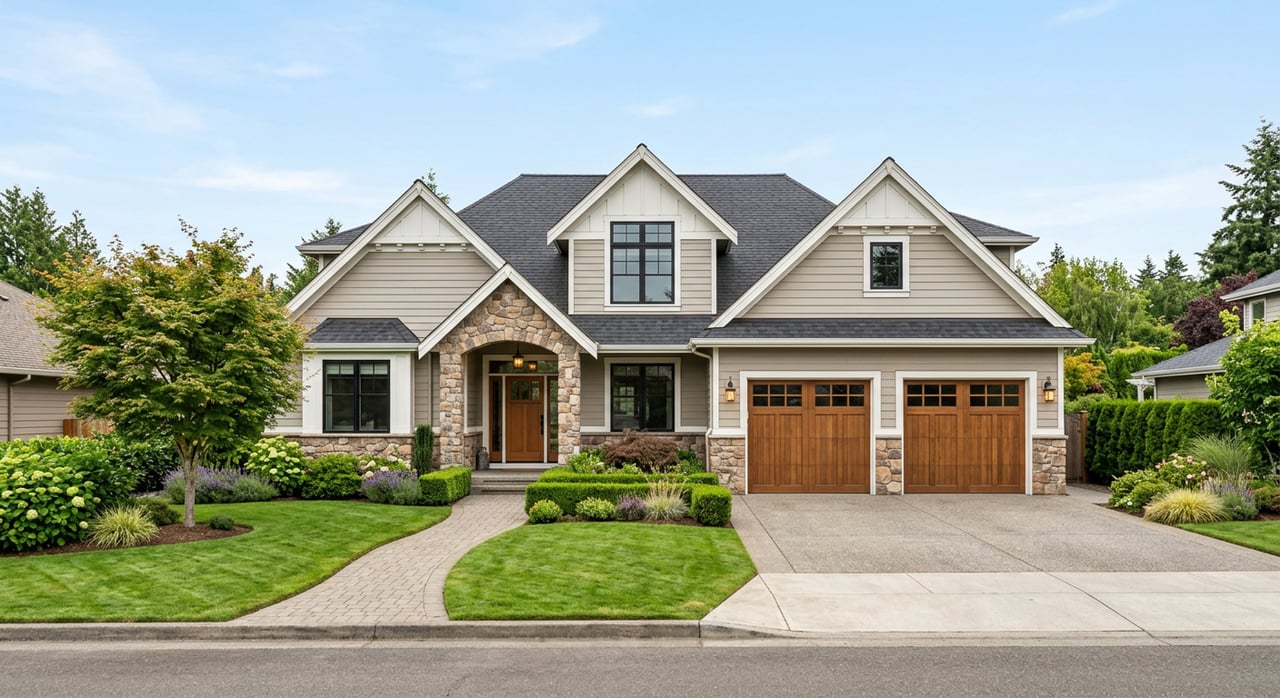
Typical 3 to 4 bedroom detached homes, around 1,800 to 2,800 square feet, often list from the mid $300ks to the high $400ks. Larger homes, newer construction, and homes on bigger lots can push to $500k and above. If you are comparing one subdivision with another, a local CMA will give you the most accurate target range.
Condos and townhomes
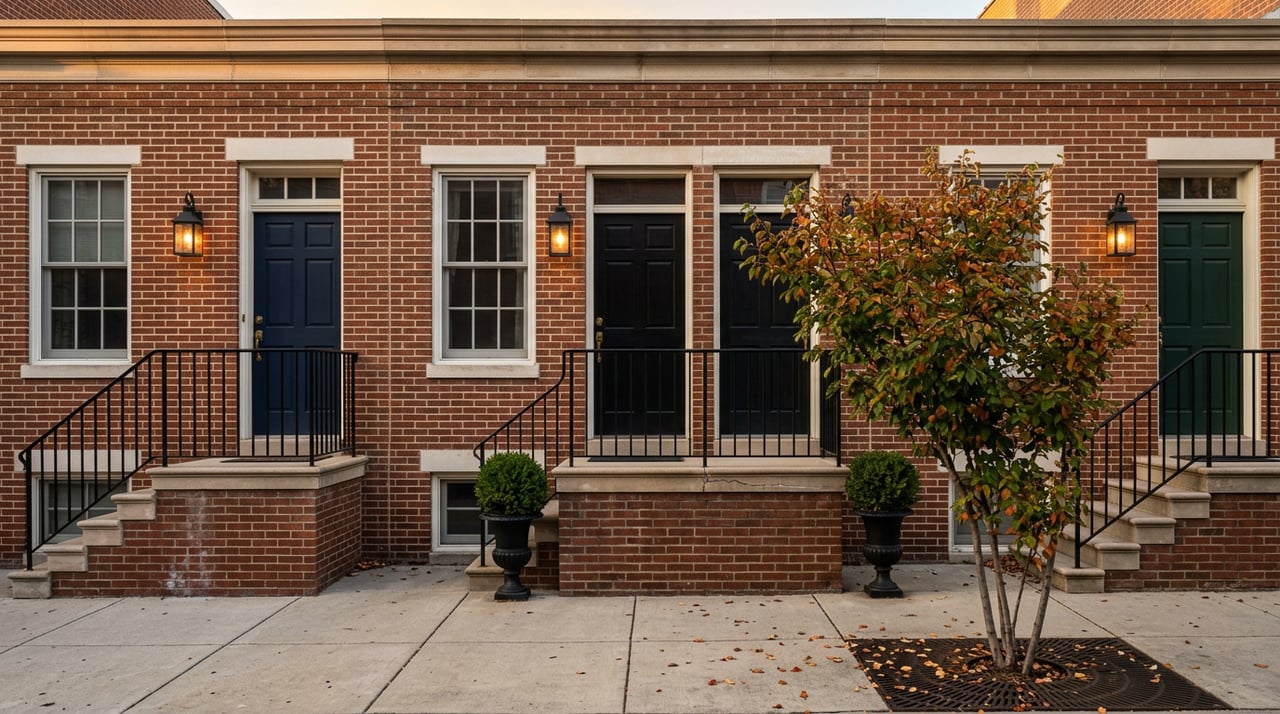
Townhomes and condos in Hilliard generally price below single-family homes. A broad rule of thumb places many condo and townhome options near the $200k to $360k range depending on size, age, finishes, and proximity to amenities. This can be a smart stepping stone if you want more space with lower maintenance.
New construction options
If you prefer new, several builders offer quick-move homes in and around Hilliard. Recent listings show options from the high $300ks into the $600k range depending on floor plan, finishes, and location. Browsing active builder inventory can help you weigh price per square foot and warranty value compared with a resale. Explore examples of quick-move new construction in Hilliard.
Neighborhood note: Old Hilliard has its own character and planning guidance that shapes what gets built and how areas evolve. If you are combining a move with renovation or infill ideas, review the city’s community plan for context. See the Old Hilliard Community Plan overview.
Choose your move-up strategy
There is no single right path. The best approach depends on the competitiveness of your target price band, your equity, and your comfort with carrying costs.
Buy first: how it works and when it helps
In a price band where listings still move quickly, a non-contingent offer can be the difference between winning and losing. Many homeowners fund the down payment on the next home by using a HELOC, a short-term bridge loan, or a buy-before-you-sell program. These options help you purchase first without a sale contingency and then list your current home after you move.
- Pros: stronger offer, easier move, time to prep your current home for top dollar.
- Cons: program fees or added interest, temporary overlap risk if your home takes longer to sell.
Before you choose this path, check local MLS days on market and months of supply for the specific price band you want. If DOM is short and sale-to-list ratios are strong, buy-first can make sense. Review program structures and fees in a neutral explainer like Bankrate’s overview of Knock and similar services. Learn how buy-before-you-sell programs work.
Sell first: how it works and when it fits
Selling first means you list, accept an offer, close, and then purchase your next place. Some sellers negotiate a short leaseback so they can stay in the home for days or weeks after closing while they shop.
- Pros: you convert equity to cash, avoid carrying two mortgages, and reduce financial stress.
- Cons: you must shop on a deadline or arrange temporary housing if inventory is tight.
This approach can work well if your current price band is still leaning to sellers but you want maximum certainty on proceeds before buying.
Contingent offer: when to consider it
A purchase contingent on your home sale is typically the weakest in faster segments because sellers prefer cleaner terms. If you need to make a contingent offer, strengthen everything else: price, inspection timing, earnest money, and proof that your home is listed and priced based on a CMA. This strategy improves as local DOM rises and competition eases.
Quick-sale alternatives
You can sell to a cash buyer or iBuyer to simplify timing and move quickly. The tradeoff is often a lower net price after fees. Use this path only when speed and certainty outweigh maximizing your proceeds.
Financing your gap: compare your options
Talk to a lender early and map out costs, timelines, and how each option affects cash flow. Here is a simple comparison you can use in your planning.
| Option | What it is | Pros | Cons | Best for |
|---|---|---|---|---|
| HELOC or Home Equity Loan | A line or loan against your current home’s equity | Flexible access to funds, you keep your first mortgage | Variable rates for HELOCs, second lien adds risk if your home sells slowly | Short-term bridge when you can repay soon after selling |
| Cash-out Refinance | Replaces your first mortgage and pulls equity as cash | One loan and fixed rate possible | Closing costs, resets your amortization and may raise your payment | When rates and timelines make sense and you plan to hold a while |
| Bridge or Trade-up Program | Short-term financing or equity advance to buy first without a contingency | Stronger offer, coordinated move | Program fees, eligibility limits, potential overlap risk | Competitive segments where non-contingent offers win |
- Learn the basics of HELOCs from the CFPB: What a HELOC is and how it works.
- See pros and cons of cash-out refis: Cash-out refinance overview.
- Understand buy-before-you-sell programs: Trade-up program explainer.
Pro tip: ask your lender to run qualification scenarios that include carrying two mortgages for 3 to 6 months, then stress test your budget with realistic timelines based on local DOM.
Prep your current home to sell for top dollar
Focus on high-ROI, low-disruption projects first. Simple changes can make a noticeable difference in photos and in person.
- Declutter and deep clean so rooms feel larger and brighter.
- Neutral interior paint in key rooms to freshen spaces.
- Curb appeal updates: mow, trim, mulch, and refresh the front door.
- Knock out obvious repairs, especially HVAC, plumbing, and lighting.
- Minor kitchen and bath refreshes where dated finishes stand out.
Staging and professional photos often shorten time on market and can lift offers. HomeLight’s seller data highlights the impact of clean presentation and staging on sale price and speed. See their practical tips for sellers in this marketing and staging guide. For project ROI, consult the annual Cost vs. Value report to prioritize improvements that typically recoup the most in our region.
Timing tip: plan 2 to 6 weeks for prep, staging, and photos depending on contractor availability and the scope of your to-do list.
Sample timelines the Parkers can follow
Every family’s schedule is different. Use these templates to visualize how your move could flow. Adjust based on your lender’s timeline, local DOM, and closing requirements.
Buy first with a bridge or HELOC
- Weeks -4 to 0: meet your lender, choose a bridge, HELOC, or trade-up program, and lock pre-approval. Tour target neighborhoods and refine comps.
- Week 0: make a non-contingent offer and go under contract.
- Weeks 0 to 6: close on the new home in roughly 30 to 45 days for a financed purchase. Typical time to close.
- Weeks 3 to 12+: move, complete final touch-ups on your old home, then list. In many Hilliard submarkets, sellers see interest within weeks, but timing varies. Check the local MLS update to fine-tune expectations.
Sell first, then buy with a short leaseback
- Weeks -6 to 0: complete prep, staging, pricing, photos, and live on market.
- Weeks 0 to 6: accept an offer and close. If needed, negotiate a short leaseback so you can stay for a set period after closing while you shop.
- Weeks 4 to 10: use sale proceeds to purchase the next home. You may use temporary housing if timing does not align.
Buy with a sale contingency
- Use this strategy if DOM has increased in your target segment or if your home is already listed or under contract.
- Strengthen all other terms and keep contingency periods tight. Maintain a backup plan in case a cleaner offer wins.
What to verify before you decide
A few quick checks can save you time and stress.
- Get a free, street-level CMA so you know your list price and likely DOM for your exact neighborhood.
- Pull recent comps in the last 60 to 90 days to understand sale-to-list ratios in your price band.
- Verify your parcel’s estimated taxes because levies affect monthly payments. Use the Franklin County levy estimator.
- If you plan a trade-up program or bridge, confirm it is available in Ohio and review fees with your lender.
- If you aim to move around the school year, check key dates on the Hilliard City Schools registration page.
Ready to map your move?
When you are ready to take the next step, we will tailor a plan to your home, your timeline, and your target neighborhoods. We can provide a precise CMA, help you choose the right financing path, coordinate prep and staging, and manage the moving parts from contract to close. Start a no-pressure conversation with The Oracle Group and let’s design your move-up plan in Hilliard.
FAQs
What is the 2026 Hilliard market like for move-up buyers?
- Local MLS snapshots show inventory and days on market have risen from about 21 days to the mid-30s with roughly 1.3 months of supply, which gives buyers a bit more time while well-priced homes still draw strong interest.
How much time does a financed closing usually take in Ohio?
- Most financed purchases close in about 30 to 45 days, while cash can close faster; build your timeline around these averages to avoid last-minute stress.
Should I buy first or sell first in Hilliard?
- If your target price band is competitive, buy-first with a bridge or HELOC can help you write a stronger offer; if you want maximum financial certainty, sell-first and use a short leaseback or temporary housing.
How do property taxes in Hilliard affect my budget?
- Taxes vary by parcel and levies, so check your specific address using the Franklin County levy estimator to understand how monthly payments change when you trade up.
What projects deliver the best resale ROI before I list?
- Focus on decluttering, paint, curb appeal, minor kitchen and bath refreshes, and necessary repairs; staging and professional photos can also speed your sale and lift offers.
Is new construction a good move-up option in Hilliard?
- It can be if you value warranties, modern layouts, and certainty on timelines; compare price per square foot and carrying costs against similar resales and browse quick-move options to gauge availability.