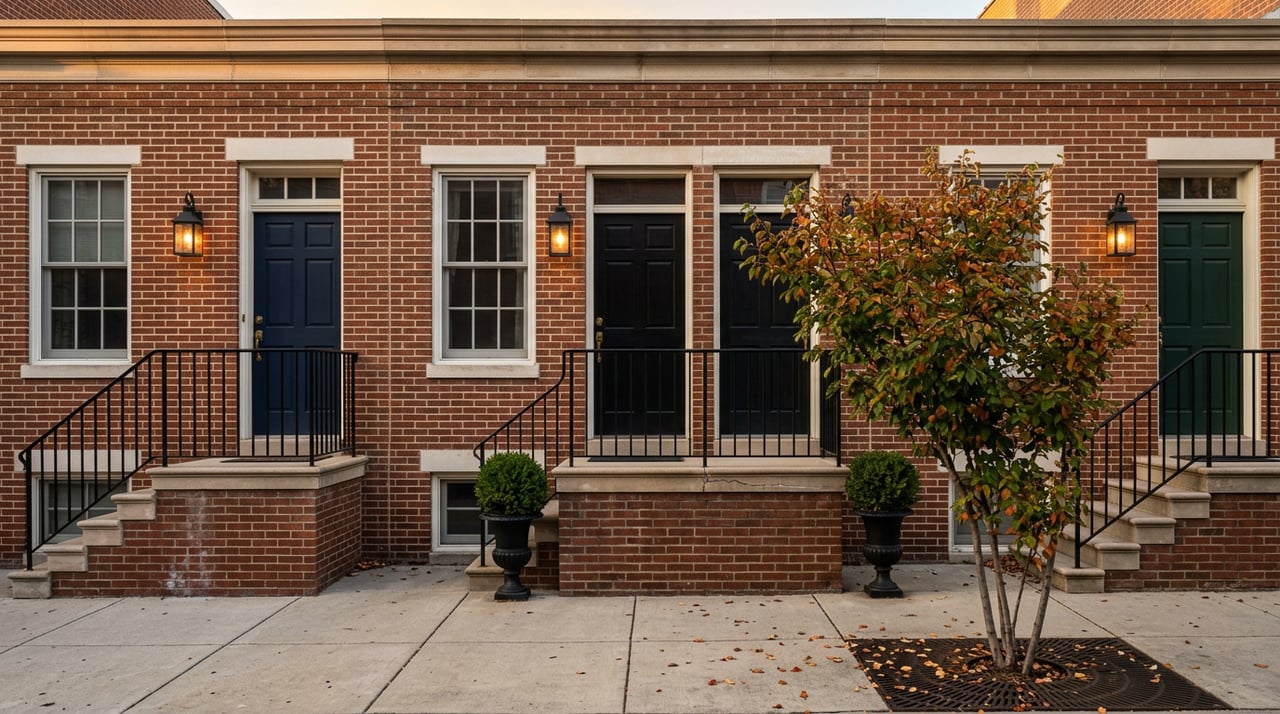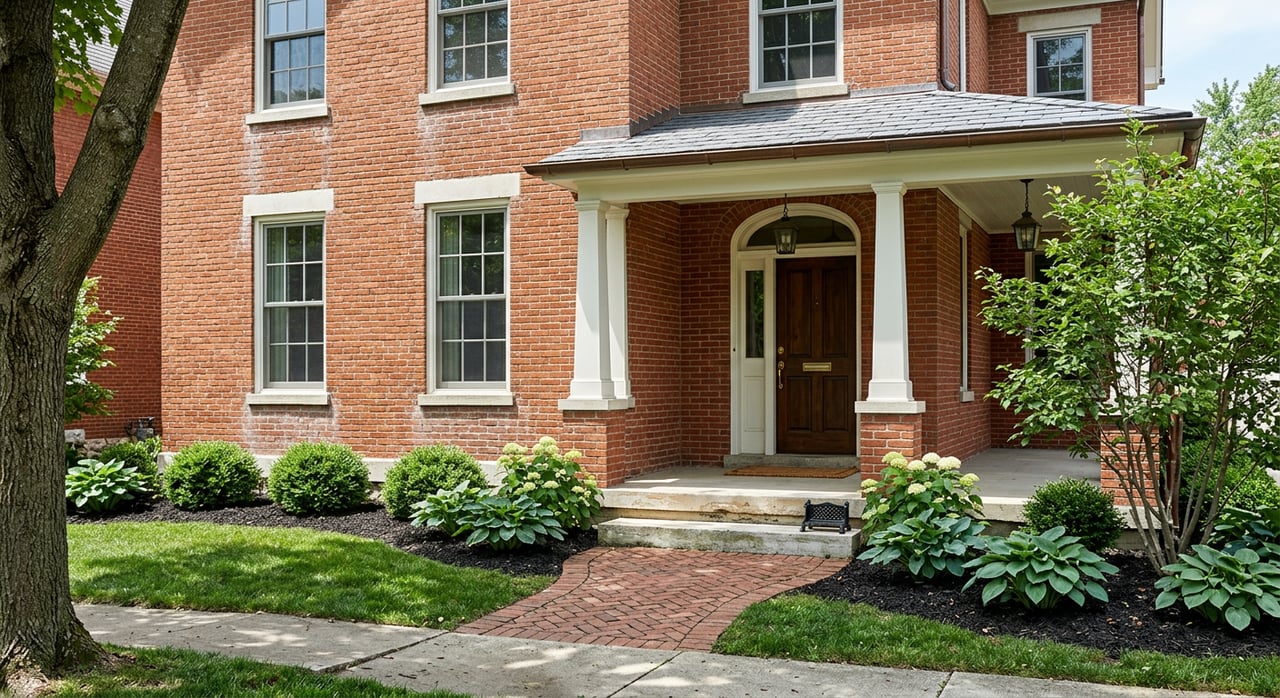
Love the idea of owning a home with tall windows, a wraparound porch, and a story to tell? Buying a historic home in Delaware, Ohio can be deeply rewarding, but it comes with a few extra steps. You want to preserve character, plan smart updates, and avoid surprise costs. This guide walks you through what “historic” really means here, how to check rules, which inspections to order, and where incentives might help your budget. Let’s dive in.
What makes a home “historic” in Delaware
National Register recognition
A property can be listed on the National Register of Historic Places because of its architecture or ties to local history. This recognition helps with access to technical guidance and, for income-producing properties, potential federal tax incentives. By itself, National Register status does not control what you can change on a private home’s exterior. Local law is what creates design review. You can view examples like the Historic Northwest District documentation and Sandusky Street Historic District listing.
Local rules and COA
Delaware operates a Downtown Historic District with its own Architectural Standards and a Historic Preservation Commission. If a property is inside that local district, most exterior changes require a Certificate of Appropriateness, often called a COA, before you pull permits or start work. Some routine items may be approved administratively, while larger façade projects go to a public meeting. Review the City’s requirements on the Downtown Historic District page.
Contributing vs. non-contributing
In a listed district, buildings are classified as contributing or non-contributing. Contributing properties are the ones that reflect the district’s historic character and often receive the most attention in design review and in incentive programs. You can see how this works by scanning the Historic Northwest District nomination.
Where you’ll find historic homes
Two areas to know as you shop:
- Historic Northwest District. A residential neighborhood with homes from the 19th and early 20th centuries. Styles include Gothic Revival, Italianate, and Queen Anne. See the district documentation for context and maps.
- Sandusky Street Historic District. Downtown’s commercial corridor on the National Register. Its policies influence local preservation and the City’s Downtown Historic District. You can explore its listing here.
Before you write an offer, verify three things with the City’s Planning & Community Development team: whether the home sits in the local Downtown Historic District, whether it is contributing inside a National Register district, and whether any other local landmark or overlay applies. Start with the City’s Downtown Historic District portal and ask for boundary maps and COA steps.
Styles you’ll spot in Delaware
You do not need to be an architecture buff to speak the language. A few quick identifiers help you recognize what you’re seeing:
- Italianate. Low-pitched roofs, tall narrow windows, and decorative brackets under wide eaves.
- Gothic Revival. Steep gables and occasional pointed-arch trim or windows.
- Queen Anne. Asymmetrical facades, porches with turned wood details, and patterned shingles.
If you want a visual primer, the Delaware County Historical Society offers local walking tours and resources that highlight building history and neighborhood character. Browse their history walks and tours for examples and route ideas.
Inspections and hidden costs to plan for
Older homes are often solid, but they have systems and materials that deserve extra care. A standard home inspection is the baseline. For historic houses, add specialty inspections and budget contingencies.
Systems near end of life
- HVAC units, water heaters, and electrical panels can be at or near replacement age. Confirm permit history and code compliance when prior work was done. Budget several thousand dollars if updates are needed. Practical tips like these are summarized in this overview of smart inspection strategies.
Electrical safety
- Older wiring types, like knob and tube or ungrounded two-prong outlets, can be an insurance concern. Have a licensed electrician evaluate flagged issues during your inspection period.
Plumbing and sewer lines
- Galvanized or cast-iron pipes may be corroded. Add a sewer scope to check the lateral from the house to the street and price replacement if cracks or blockages appear.
Foundations and moisture
- Stone or unreinforced masonry foundations need careful review for moisture, drainage, and mortar condition. If your inspector notes significant movement or wide cracks, consult a structural engineer before you remove contingencies.
Roofs, siding, and porches
- Historic wood siding, built-up porches, and older roofing materials often need targeted repair. Preservation-minded contractors usually recommend repair over full replacement to keep original fabric where feasible, which can be more time-intensive. Build this into your timeline.
Lead-based paint
- Homes built before 1978 may have lead-based paint. Federal rules require sellers of pre-1978 housing to give you the EPA/HUD pamphlet and allow time for a lead inspection. If you renovate, hire an EPA RRP lead-safe certified firm. You can review the required lead safety pamphlet.
Asbestos and other older materials
- Some insulation and finishes may contain asbestos. If you plan to disturb suspect materials, schedule testing and price licensed abatement if needed.
Radon in Delaware County
- Delaware County falls within a high radon potential area. Add a radon test to your inspection. If levels meet or exceed the EPA action level, a mitigation system is a common, effective fix. See the EPA radon zone map and guidance.
Plan your project and approvals
When a COA is required
If your home is inside the City’s Downtown Historic District, most exterior changes will need a Certificate of Appropriateness before you pull a building permit. Examples include porch alterations, visible window changes, major roofing material swaps, and new signs on mixed-use or commercial structures. Some paint and routine items may be approved administratively. Confirm your scope and timeline early with the City’s Planning & Community Development staff through the Downtown Historic District page.
National Register vs. local regulation
Being listed on the National Register, or contributing to a listed district such as the Historic Northwest District, does not by itself require local design review. Local rules apply only if your parcel lies within the City’s designated Downtown Historic District or a separate local overlay.
Building permits and code triggers
Structural changes, adding habitable space, or major mechanical work will typically require a building permit and trigger certain code upgrades for life safety. Plan for items like smoke detectors, electrical grounding, and egress when you design your project. Ask the City’s building division to confirm what your scope will trigger before you bid the work.
Insurance for older homes
Some carriers surcharge or limit coverage for obsolete systems or historic materials. If your inspector finds older wiring types or missing smoke detectors, confirm insurability and premium impact before you remove contingencies.
Incentives and tax credits
Federal Historic Rehabilitation Tax Credit
The federal program offers a 20% income tax credit for certified rehabilitation of historic, income-producing buildings. Owner-occupied single-family homes generally do not qualify for this credit. Learn the basics from the IRS guide to the Rehabilitation Credit.
Ohio Historic Preservation Tax Credit
Ohio operates a competitive state historic tax credit program administered with the State Historic Preservation Office. The program typically supports larger, income-producing projects and runs on a published schedule. Review current details through the Ohio History Connection’s program page, and schedule a pre-application conversation with SHPO if you think your project may qualify.
Local grants and guidance
Main Street groups and the Delaware County Historical Society sometimes share façade guidance and small program information. Availability varies by year. Start with the society’s walking tours and resources to connect with local history contacts.
Budget and timeline tips
Historic repairs can take longer due to specialty trades and approval steps. Build a contingency into your purchase plan. Many buyers set aside 1 to 3 percent of the purchase price for near-term repairs on older homes, then add line items for likely system replacements. Use inspection reports to request contractor bids before closing when possible, and use those numbers to negotiate repairs or credits. For a quick overview of smart inspection planning, see these inspection tips.
Buyer checklist for Delaware’s historic homes
- Confirm designations. Ask if the property is in the City’s Downtown Historic District, whether it is contributing in the National Register Historic Northwest District, and whether any local landmark overlay applies. Use the City’s Downtown Historic District page and the Historic Northwest District listing to start.
- Hire the right inspector. Choose someone experienced with older homes and add specialty inspections like radon testing, a sewer scope, potential lead paint testing, and an asbestos screen if you plan to renovate.
- Request documentation. Ask the seller for past permits, major repair invoices, any prior COAs, and recent inspection or pest reports.
- Price priority items early. Use inspection findings to get quotes for electrical updates, HVAC replacement, roof or porch repairs, and radon mitigation if needed.
- Verify incentives before design. If your scope might qualify for state or federal credits on an income-producing property, schedule SHPO pre-application meetings and map out Parts 1 and 2 submittals. Start with the Ohio program overview.
- Allow extra time. Build in time for COA review, permitting, and specialized contractors.
Buying a historic home in Delaware is about balancing character with a clear plan. When you confirm your property’s status, line up the right inspections, and map out approvals early, you protect your budget and preserve what makes the home special. If you’re starting to explore options or need a second set of eyes on a potential project, reach out to The Oracle Group. We’ll guide you through the search, connect you with financing partners, and keep your process organized from offer to closing.
FAQs
Do I need approval to change windows on a historic home in Delaware, Ohio?
- If the home is inside the City’s Downtown Historic District, visible exterior window changes typically require a Certificate of Appropriateness before permits.
Are owner-occupied historic homes eligible for federal tax credits?
- The federal 20% Historic Rehabilitation Tax Credit generally applies to income-producing properties, not owner-occupied single-family homes.
What extra inspections should I order for an older house in Delaware?
- Add a radon test, sewer scope, electrical evaluation for older wiring, and lead-based paint and asbestos screening if renovation is planned.
Is radon a concern in Delaware County?
- Yes. Delaware County is in a high radon potential area, so testing is recommended and mitigation is common if levels meet or exceed EPA action levels.
How do I know if a property is “contributing” in a historic district?
- Check the National Register district documentation and ask City Planning. Contributing buildings are identified in those records and in local files.