Thinking about a new-build home in Powell but not sure where to start? You’re not alone. Between lot sizes, HOAs, floor plans, and builder timelines, it can feel like a lot to compare. This guide breaks down what you’ll see in Powell’s new construction market so you can choose a community and plan that fit your lifestyle and budget. Let’s dive in.
Where new construction fits in Powell
Powell sits within the active Central Ohio new-home market, with production builders marketing townhomes and single-family homes nearby. You’ll find communities listed directly on builder sites and on county-level aggregators. To scan options across Delaware County, browse the NewHomeSource community listings. M/I Homes and Pulte are two of the major names with projects in and around Powell.
How projects get approved
The City of Powell oversees plan review, permits, and inspections for new construction. Timelines can shift based on permit queues, weather, and construction stage. If you’re building, confirm status and scheduling with your builder and the city’s building department, which now supports electronic submittals as noted by the Builders Exchange directory entry for Powell.
What you can buy: product types and lots
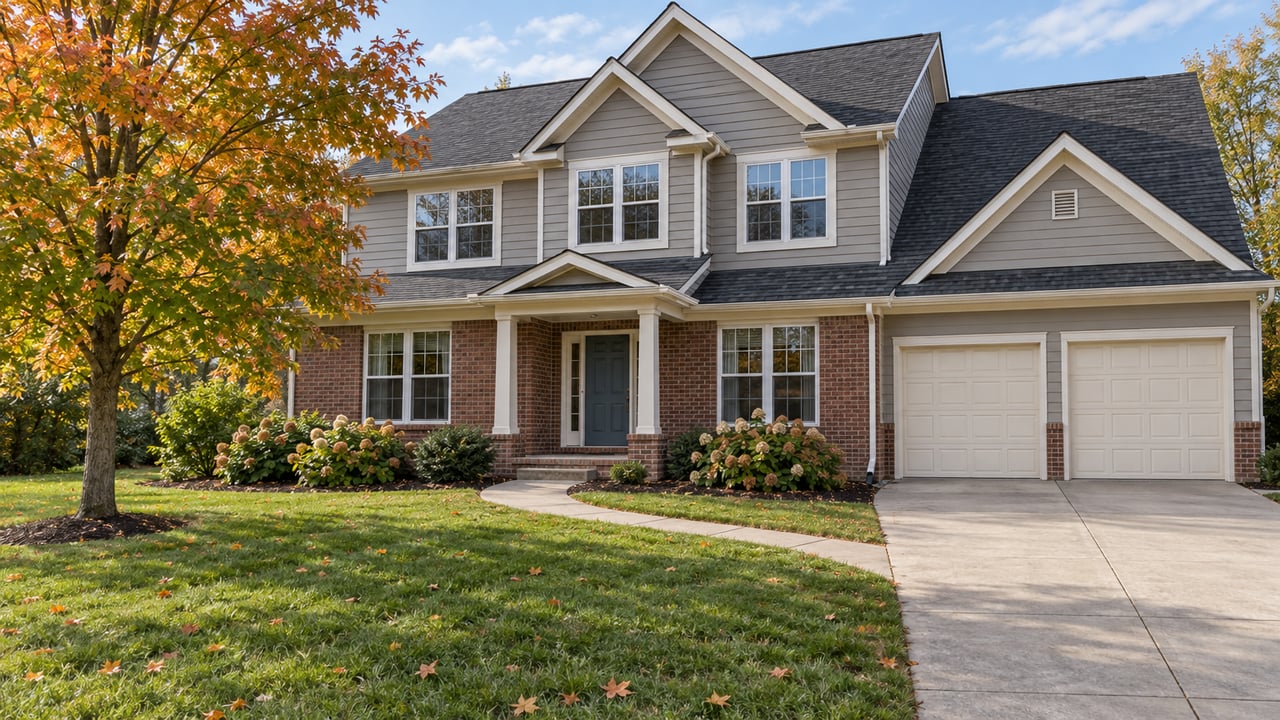
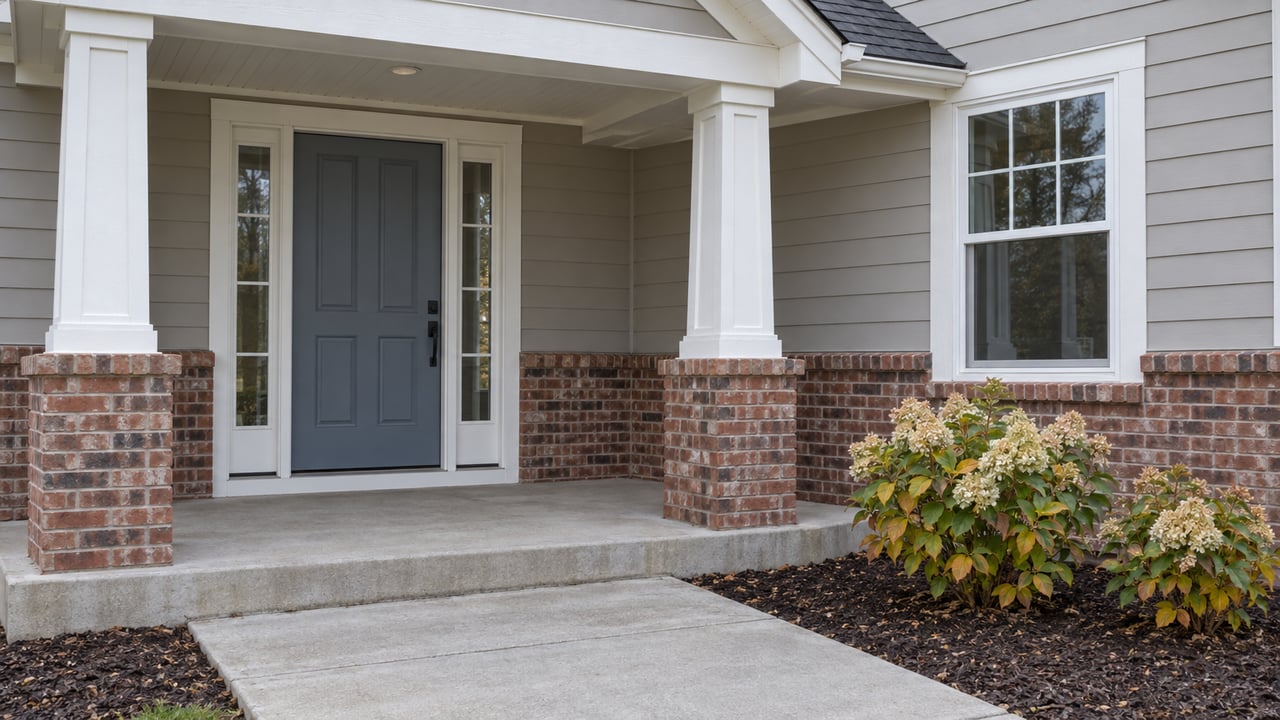
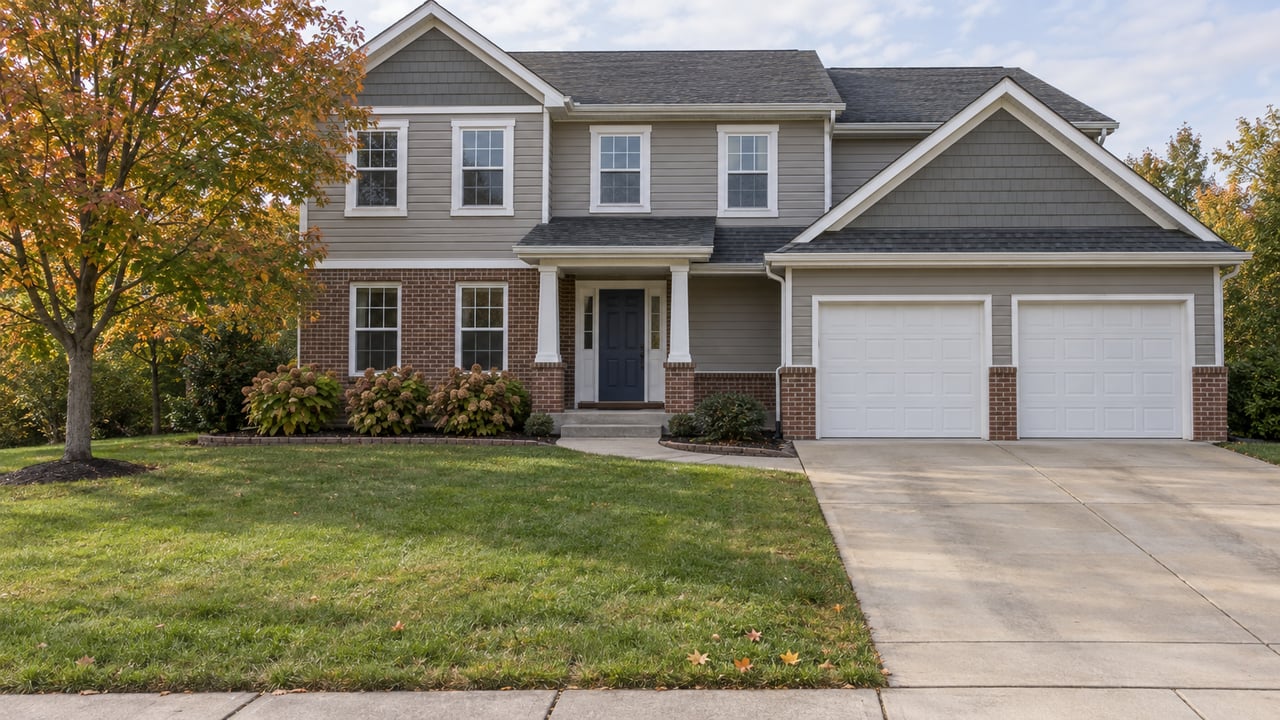
You’ll see a mix of low-maintenance townhomes, starter to move-up single-family homes, and larger detached plans. Many detached homes in the area fall in the 1,500 to 3,400+ square foot range depending on the community and plan. Townhomes and compact single-family products focus on efficient footprints and simplified exterior maintenance.
Example: compact living and townhomes
Pulte’s Hyatts Crossing materials show the kind of features common to lower-maintenance or compact offerings in the Powell area: open-concept living, modern kitchens, and streamlined finish packages. You’ll often choose from curated design selections and see options for smart-home or energy features. Review the Hyatts Crossing digital brochure to get a feel for layouts and finishes.
Example: larger single-family community
At M/I Homes’ Clarkshaw Crossing, you’ll find detached plans with flexible rooms, optional basements, and 2- or 3-car garages. The community pages highlight open main levels, large kitchen islands, and owner’s suites tailored to family living. For a sense of scale and features, explore Clarkshaw Crossing by M/I Homes.
Lot sizes in Powell
Inside the City of Powell, a local report notes that lots have historically needed to be at least 6,000 square feet, with smaller-lot exceptions considered for certain corner or reverse-corner sites. This helps explain why you’ll see a range of lot sizes, especially in compact or infill projects. For background on the policy discussion, see this local news report on the small-lot exception debate.
Floor plan features you’ll see
Most production builders in Powell emphasize open main levels with large kitchen islands and generous storage. Flex rooms for office or den use are common, along with mudrooms or drop zones near the garage. You’ll also see energy-efficiency packages, curated design schemes, and options for 2- or 3-car garages and finished basements. For examples of features and options, browse Clarkshaw Crossing by M/I Homes and the Hyatts Crossing brochure.
Build timelines and inspections
On average, national data show roughly 10 months from permit to completion for a one-unit residential build, with built-for-sale production homes often completing in about 6 to 9 months. Inventory homes move faster if framing or finishes are already in place. Use these benchmarks as a guide as you plan your move, as summarized in this build-time overview.
Permit review and weather can add weeks, so ask your builder for a foundation start, framing milestone, and expected completion date. You can also confirm current permit processing with the city’s team via the Builders Exchange listing for Powell’s building department.
Inspections and buyer protections
During construction, the city performs required code inspections. You can add your own quality checks for extra confidence. A common sequence is a private pre-drywall inspection, a thorough final walk-through and punch list, then an 11-month inspection to catch items before a one-year warranty ends. See a helpful local explainer on inspections and representation from Central Ohio Realty.
Warranties to expect
Production builders often provide layered coverage, such as a 1-year workmanship warranty, 2-year limited systems coverage, and a 10-year structural warranty. Terms vary by builder and plan, and may include separate water-infiltration coverage. Always review the specific warranty document from your builder, and note service windows and how to submit claims. Builder brochures, like the Hyatts Crossing materials from Pulte, outline typical structures.
HOAs, dues, and what they cover
Most new communities form HOAs to maintain entry features, landscaping, ponds, or trails. Townhome communities may include exterior maintenance, yard care, snow removal, and shared-building insurance in monthly dues. Single-family communities often use lower annual dues for common areas.
Real-world HOA example
In the Powell area, some detached communities report HOA dues around a few hundred dollars per year for common-area upkeep. For example, a Clarkshaw Crossing listing highlights an annual fee at roughly $500, which aligns with this limited-maintenance model. You can see a sample entry on this Clarkshaw Crossing listing page. Townhome dues, when present, are typically collected monthly and cover more services. Always confirm current fees and coverage before you sign.
Documents to review before you commit
Ask the seller or builder for the CC&Rs/Declaration, Bylaws, current budget, recent financials, reserve balances or a reserve study, board meeting minutes, and any notices about litigation or special assessments. These documents affect monthly costs, financing, and resale. For a simple checklist, review this HOA guide for homebuyers.
Master-planned vs infill: which fits you
Master-planned communities often deliver predictability and amenities like trails, ponds, or clubhouse features, with more robust covenants and dues to match. They build out in phases and may include multiple builders. Smaller infill or pocket subdivisions tend to be closer to existing services and can build out faster, though lots may be smaller and amenities more limited. To compare development types and active options nearby, browse Delaware County’s community lineup.
Working with builders: representation and leverage
Model-home sales staff work for the builder. That means you benefit from having your own buyer’s agent to explain contracts, register you at the first visit, and advocate for inspections, options, and timelines. Many builders require agent registration on your initial tour, so plan ahead. Learn why this matters in these overviews from Central Ohio Realty and HomeLight.
Common negotiation levers include lot selection or premiums, design-center credits, closing-cost help, and mortgage rate buydowns through builder affiliates. Inventory homes often carry the most flexibility on price or incentives. Builders sometimes post current offers on their community pages, such as Clarkshaw Crossing by M/I Homes.
Quick checklist for Powell buyers
- Confirm school attendance zones that apply to your target address. Many Powell buyers look at Olentangy Local School District boundaries.
- Compare lot size, orientation, and nearby future phases before choosing a homesite.
- Ask the builder for milestone dates and confirm permit status with the City of Powell.
- Request HOA governing documents, current budget, and reserve details.
- Schedule independent inspections: pre-drywall, a detailed final, and an 11-month follow-up.
- Bring your buyer’s agent to your first model-home visit and confirm registration in writing.
- Read the full builder warranty and get all promises in writing within the contract.
Ready to explore Powell new builds?
If you want a clear plan for comparing communities, negotiating options, and managing your build timeline, we’re here to help. We pair neighborhood insight with organized, end-to-end buyer representation, financing referrals, and smooth closing coordination. Let’s map your next move in Powell. Reach out to The Oracle Group to get started.
FAQs
How long does a new-build home in Powell usually take?
- National benchmarks suggest about 10 months from permit to completion, with many production homes finishing in roughly 6 to 9 months depending on weather, permitting, and build stage.
What lot sizes are common for new construction in Powell?
- A local report notes a historic 6,000-square-foot minimum inside the city, with some exceptions for specific corner lots; actual sizes vary by community and product type.
What does a typical HOA cover in Powell’s new communities?
- Single-family HOAs often handle common-area landscaping and entries, while townhome HOAs may add exterior upkeep, yard care, snow removal, and shared-building insurance.
Do I need my own agent when buying from a builder?
- Yes. The on-site sales team represents the builder, so a buyer’s agent helps with registration, contracts, inspections, comparisons, and negotiating incentives at no added cost to you in most cases.
Which inspections should I schedule on a new build?
- Add a private pre-drywall inspection, a detailed final walk-through with a punch list, and an 11-month inspection to catch warranty items before coverage ends.
What are common builder incentives to ask about?
- Ask about lot premiums, design-center or appliance credits, closing-cost help, and rate buydowns offered through builder-affiliated lenders, especially on inventory homes.