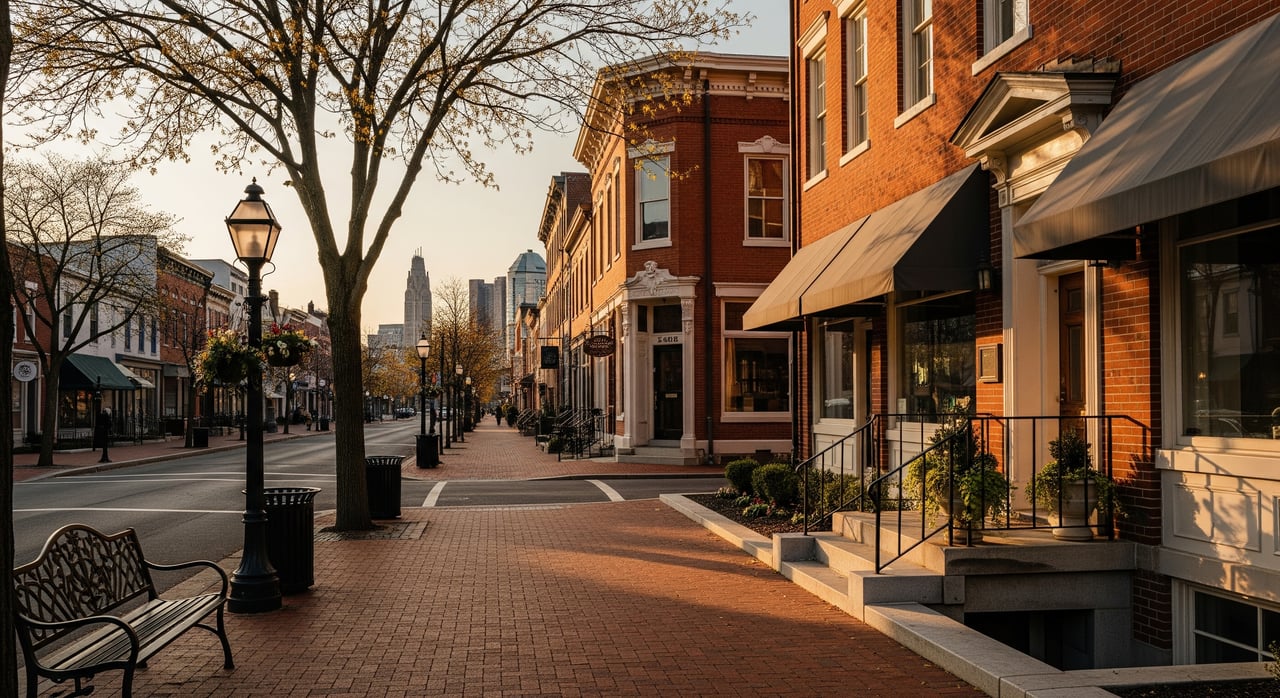
Wish you could stroll to coffee, parks and dinner without fighting traffic or hunting for parking? If you’re eyeing the Columbus area, you have solid options where daily errands can start at your front door. You want the charm and convenience of a walkable center with the space and community feel of the suburbs. In this guide, you’ll learn what “walkable” really means here, how Worthington stacks up, and which nearby suburbs offer similar village-style living. Let’s dive in.
What walkable means here
Walkability is about more than short distances. It’s how easy, safe and pleasant it feels to reach everyday spots like restaurants, parks, schools, groceries and transit on foot. In Columbus-area suburbs, walkability usually centers on a compact historic downtown or a mixed-use district rather than wall-to-wall sidewalks across the entire city.
Objective tools like Walk Score can help you compare locations by proximity to amenities and street connectivity. You should also do a quick street-level check: look for continuous sidewalks, well-marked crosswalks, lighting, benches, trees and active storefronts. This mix of metrics and on-the-ground feel gives you the clearest picture.
Worthington: your walkable village center
Old Worthington, the historic district along High Street, is the heart of Worthington’s walkable lifestyle. You can step out to local restaurants and shops, visit nearby parks and enjoy year-round community events that bring people outside. The compact grid and sidewalks make short trips simple.
Transit access adds flexibility. The Central Ohio Transit Authority connects Worthington to Columbus and other suburbs, which can be useful if you’re aiming for a car-light routine. Keep in mind that many residential areas beyond the core are more traditional suburban neighborhoods, so sidewalk coverage and crossings can vary as you move farther from High Street.
If you love a small-town feel with urban conveniences, Old Worthington offers a comfortable balance. You get walk-to-dining and community energy in the center, with a range of housing styles in surrounding neighborhoods.
Other walkable suburbs to compare
Grandview Heights
- Walkable core: Grandview Avenue corridor with restaurants and boutiques near the edge of Ohio State University.
- Why it works: Short blocks, strong street-level retail and convenient access to area trails.
- Trade-off: A small city with an excellent nucleus, but larger retail is limited within walking distance.
Bexley
- Walkable core: Broad Street and Main Street corridors lined with cafés, shops and civic amenities.
- Why it works: Sidewalks, tree-lined streets and parks support comfortable walks to daily needs.
- Trade-off: Transit frequency can vary by destination, so check schedules for your commute.
Dublin
- Walkable cores: Historic Dublin and Bridge Park form a connected, riverfront district.
- Why it works: Bridge Park is a modern, mixed-use area by design, and Historic Dublin offers a charming downtown feel with trails nearby. Explore current projects at Bridge Park.
- Trade-off: Outside these districts, much of Dublin remains auto-oriented.
Powell
- Walkable core: Powell’s historic downtown features shops, restaurants and regular community programming.
- Why it works: A pedestrian-friendly main street creates a true small-town experience.
- Trade-off: Growth around the village core is more suburban in form, with varying sidewalk networks.
New Albany
- Walkable core: The Village Center is a planned civic and retail hub with sidewalks, trails and public spaces.
- Why it works: A master-planned approach focuses on mixed uses and a pleasant pedestrian environment. Learn more through the City of New Albany.
- Trade-off: Many neighborhoods are designed to walk to the center rather than support continuous walkability across the whole city.
Clintonville
- Walkable areas: The North High Street corridor includes local markets, cafés and pockets of pedestrian-friendly streets.
- Why it works: Sidewalks connect to parks and the regional trail system, creating many car-optional errands.
- Trade-off: Clintonville is a Columbus neighborhood, not an independent suburb, but it often appeals to buyers seeking a suburban feel near the core city.
Hilliard
- Walkable core: Historic Hilliard has a compact downtown with businesses, parks and community events.
- Why it works: A friendly, small-scale main street makes everyday trips easy in the core.
- Trade-off: Much of Hilliard beyond downtown is more auto-oriented.
Gahanna
- Walkable core: Creekside Park and Historic Gahanna bring restaurants, riverfront paths and festivals together.
- Why it works: Concentrated dining and recreation encourage foot traffic throughout the district.
- Trade-off: Walkability drops as you move into surrounding subdivisions, so location within Gahanna matters.
How to evaluate walkability in person
Use this quick checklist when you tour a neighborhood:
- Are there sidewalks on both sides of the street, and do they continue beyond the main strip?
- Are crosswalks well-marked, signalized where needed and short enough to feel safe?
- Do signals favor pedestrians with reasonable wait times?
- Are most of your daily destinations within a 10 to 15 minute walk?
- Is public transit nearby, and how frequent are routes at the times you need?
- Are there trees, benches, lighting and storefronts that make walking feel comfortable?
Transit, commutes and daily life
Walkable suburbs work even better when you pair walking with reliable transit. The Central Ohio Transit Authority connects many of these communities to job centers across the region. If you want to rely on transit for part of your commute, check route frequency, stop locations and park-and-ride options.
Weather matters too. Sidewalk snow removal and street clearing policies can shape winter walkability. City planning pages, like the City of Worthington, and the Columbus Department of Public Service are good places to learn about local infrastructure and maintenance priorities.
Buyer and seller tips in walkable areas
For buyers: Start with your personal destination list. If your must-haves are coffee, parks and a transit stop, focus near the walkable core rather than at the edge of town. Expect some trade-offs. Homes nearest to village centers often have smaller lots or older architecture, while farther neighborhoods may offer larger yards but fewer walk-to options.
For sellers: Highlight walkability in your marketing. Use objective tools like Walk Score and include qualitative details buyers value: “steps to Old Worthington shops,” “walkable to restaurants and year-round events,” and approximate walk times to parks or transit. Strong presentation and clear location benefits help your property stand out.
Local resources
- Compare locations with Walk Score
- Plan routes with the Central Ohio Transit Authority
- Learn about local planning at the City of Worthington
- Explore projects around Bridge Park
- Review village center info at New Albany
- Check municipal resources in Grandview Heights
- See regional infrastructure updates at the Columbus Department of Public Service
Ready to find your fit or position your home’s walkability for a strong sale? Reach out to The Oracle Group. We’ll help you compare neighborhoods, understand trade-offs and move forward with confidence.
FAQs
What does “walkable suburb” mean near Columbus?
- In this region, it usually means a compact downtown or mixed-use district where you can walk to daily needs, while the surrounding city remains more suburban.
Is Worthington a good option for walkability?
- Yes. Old Worthington’s historic High Street district offers sidewalks, local dining, parks and community events within a comfortable, village-style core.
Which other suburbs feel walkable like Worthington?
- Grandview Heights, Bexley, Dublin’s Historic Dublin and Bridge Park, Powell, New Albany, Hilliard and Gahanna each have a pedestrian-friendly core.
Can I live car-light in these suburbs?
- Often yes, if you live close to the core and use the Central Ohio Transit Authority for longer trips. Expect to keep a car for some errands.
How does walkability affect resale value in Columbus?
- Walkable areas often attract strong demand. Use local data and marketing that highlights proximity to village centers, parks and transit for best results.