The home buying process involves a lot of decision-making. One of the major choices you’ll face is whether to look for an existing home or consider buying a new construction.
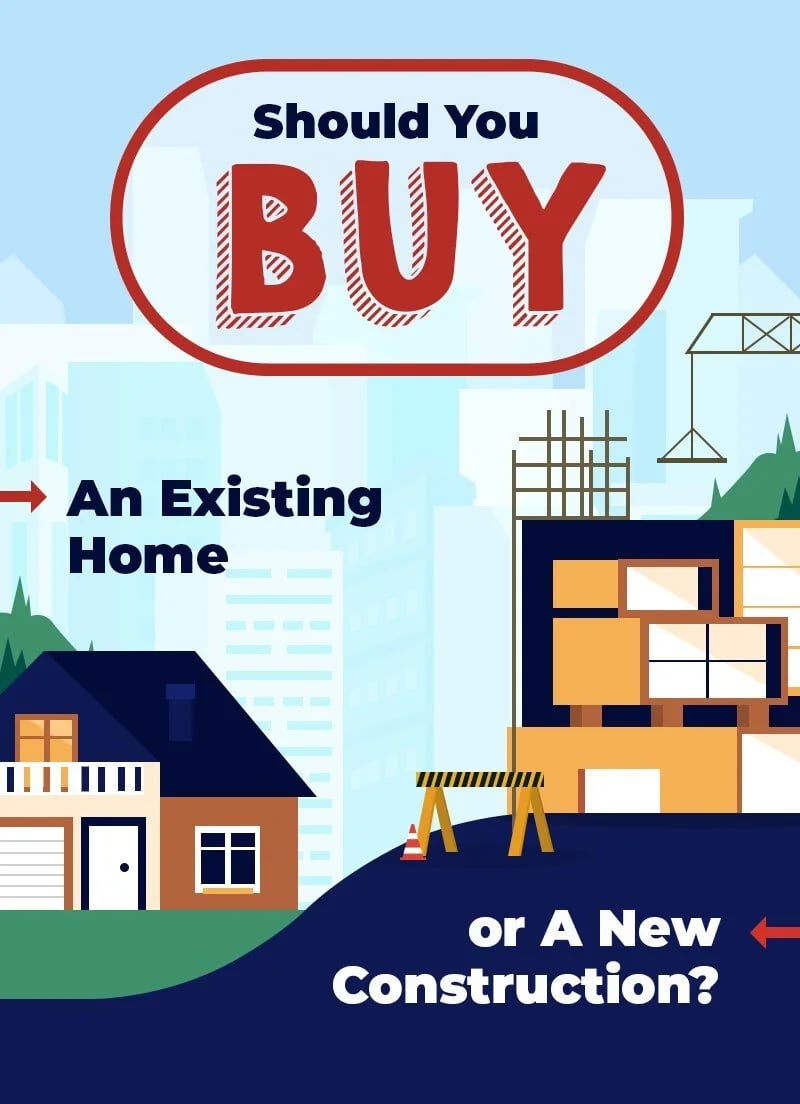
Many resale homes have a lot of interesting stories to tell, while new construction homes are brand new attractions and may be more energy efficient. Do you love a hand-me-down, or are you the type who prefers the latest?
It’s worth considering that there’s been a recent decline in the number of homes for sale, while construction of newly built homes is ramping up and builder confidence is soaring, according to the latest Housing Market Index of the National Association of Home Builders.
Whatever you choose, remember that every advantage comes with a flip side. That’s why it’s important to consider these factors before making a final decision that best suits your needs — and hopefully leads you to your dream home.
1. Price Differences

While costs vary by region, there’s a substantial gap between the price of a newly constructed home and that of an existing home.
The national median for existing single-family homes in the second quarter of 2020 was $291,300, according to the July 2020 Existing Home Sales Statistics by the National Association of Realtors®.
Meanwhile, building a house costs an average of $315,282 — or between $166,237 and $482,652 — as per HomeAdvisor. The final cost depends on customization and other upgrades.
There’s also greater opportunity for negotiation with a seller when purchasing a resale home — something generally not possible with a builder. New construction homes usually have a set price for any specific model.
2. Maintenance and Efficiency
If you’re looking for lower maintenance, new construction might be your best bet. As the first occupant, you won’t need major repairs for several years. Most home components — furnace, water heater, HVAC, appliances — are brand new and come with warranties.
New homes also tend to feature energy-efficient appliances, fixtures, and windows, which can reduce utility costs over time.
Resale homes, depending on age and condition, may require repairs to plumbing, wiring, roofing, or other systems. Renovations might also be needed to suit your style — though these can be done gradually over time as your budget allows.
3. Timing and Availability

Timing matters — especially if you’re moving for work or personal reasons.
-
Resale homes: You can move in shortly after closing.
-
New construction: Building takes around 5–6 months, unless buying a move-in ready property. Custom builds may take longer.
The upside of new construction? No bidding wars or rushed decisions.
4. Location and Lifestyle

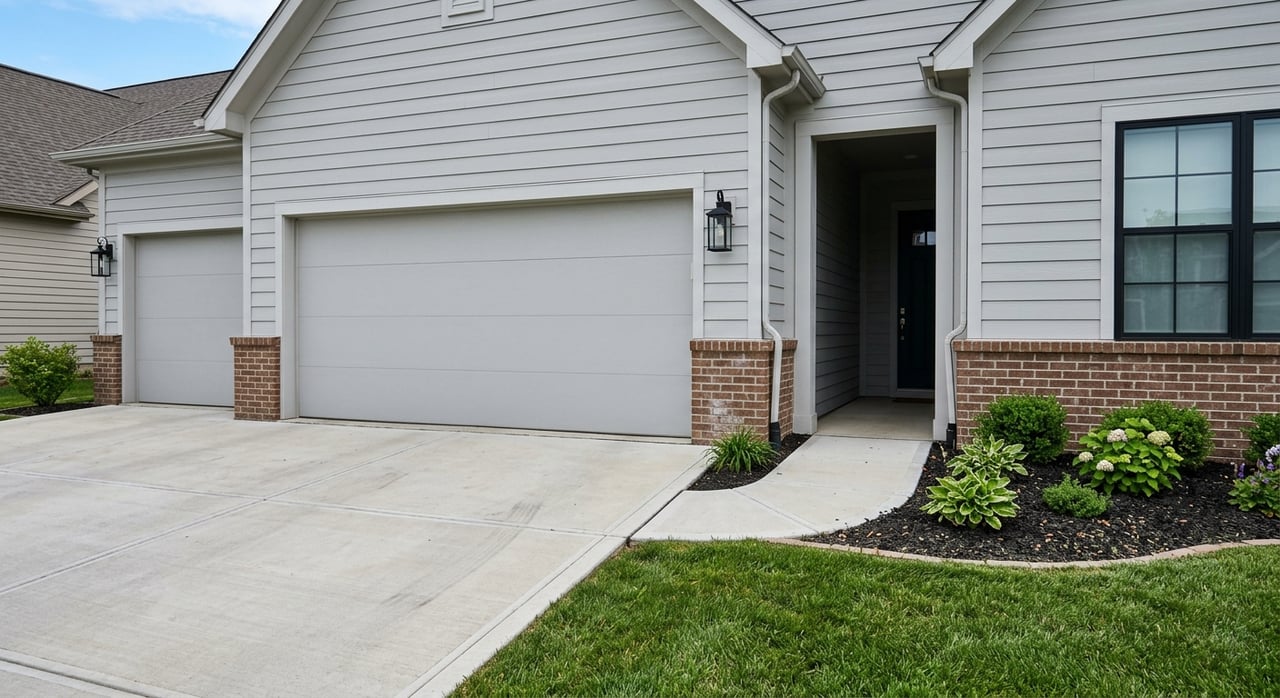
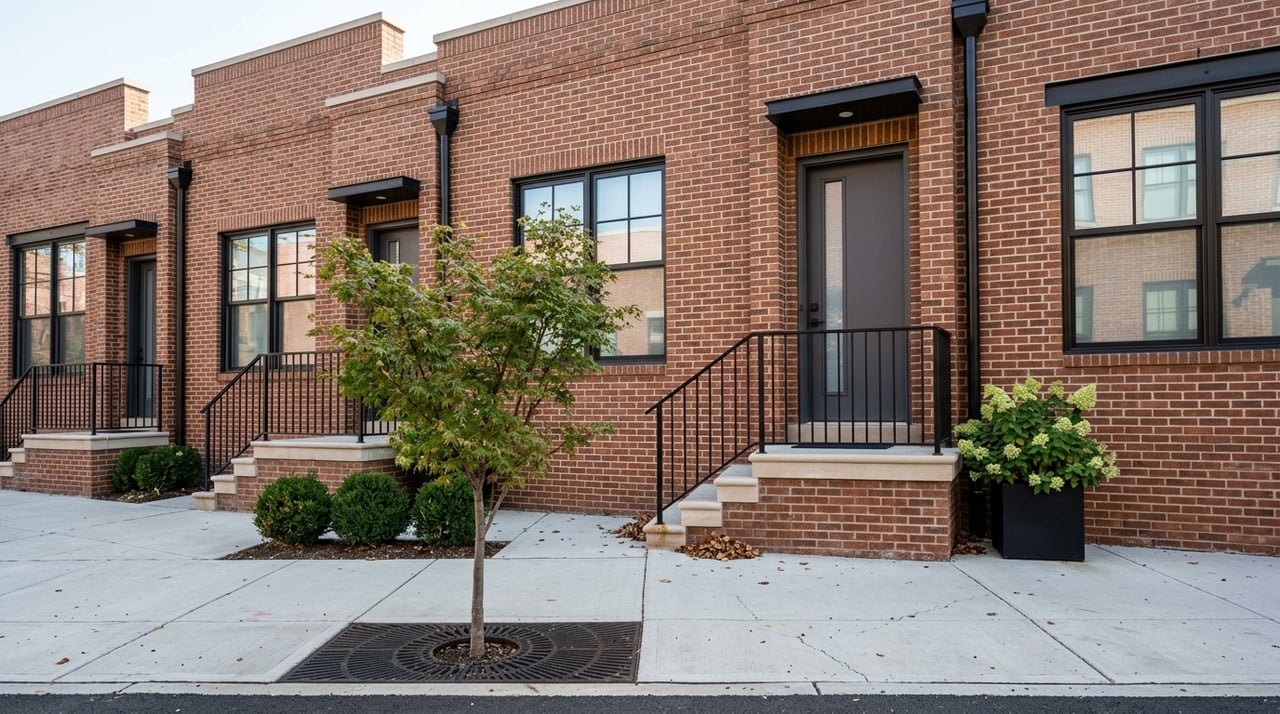
New homes are often built in master-planned communities in suburbs or exurbs. This means more space but potentially longer commutes.
Sales of newly built homes jumped 55% annually in June 2020, due to limited resale inventory, demand for high-tech homes, and the shift toward suburban living.
Resale homes, on the other hand, are often in established neighborhoods with closer access to shops, restaurants, and public amenities.
5. Character and Curb Appeal

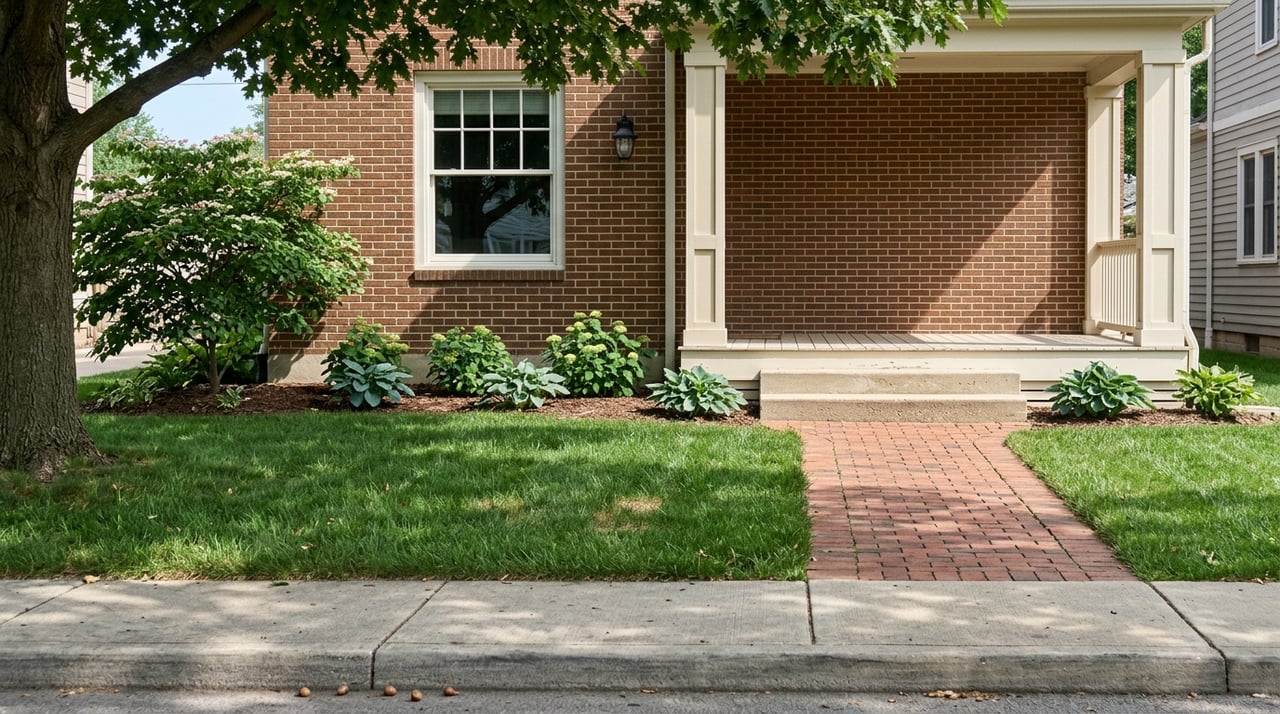
Existing homes can offer unique architectural styles and mature landscaping — a charm that’s hard to replicate in new builds.
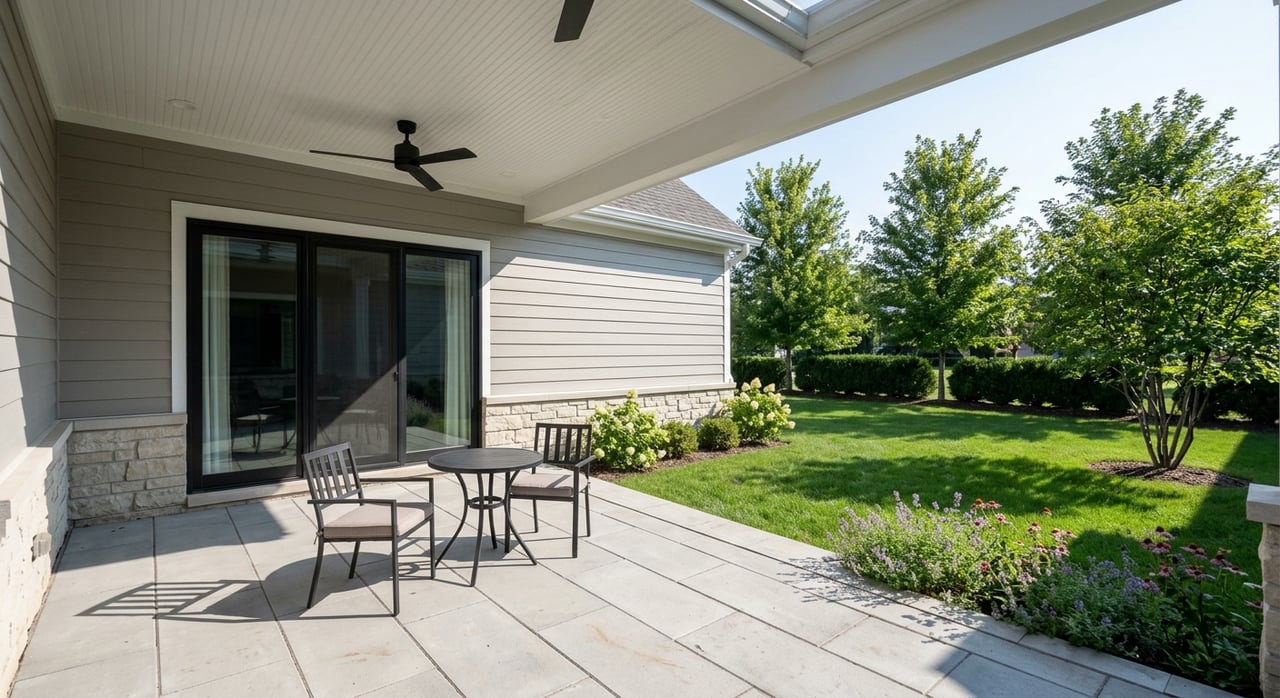
New construction may require investment in landscaping and time for greenery to grow, while resale homes often already have curb appeal in place.