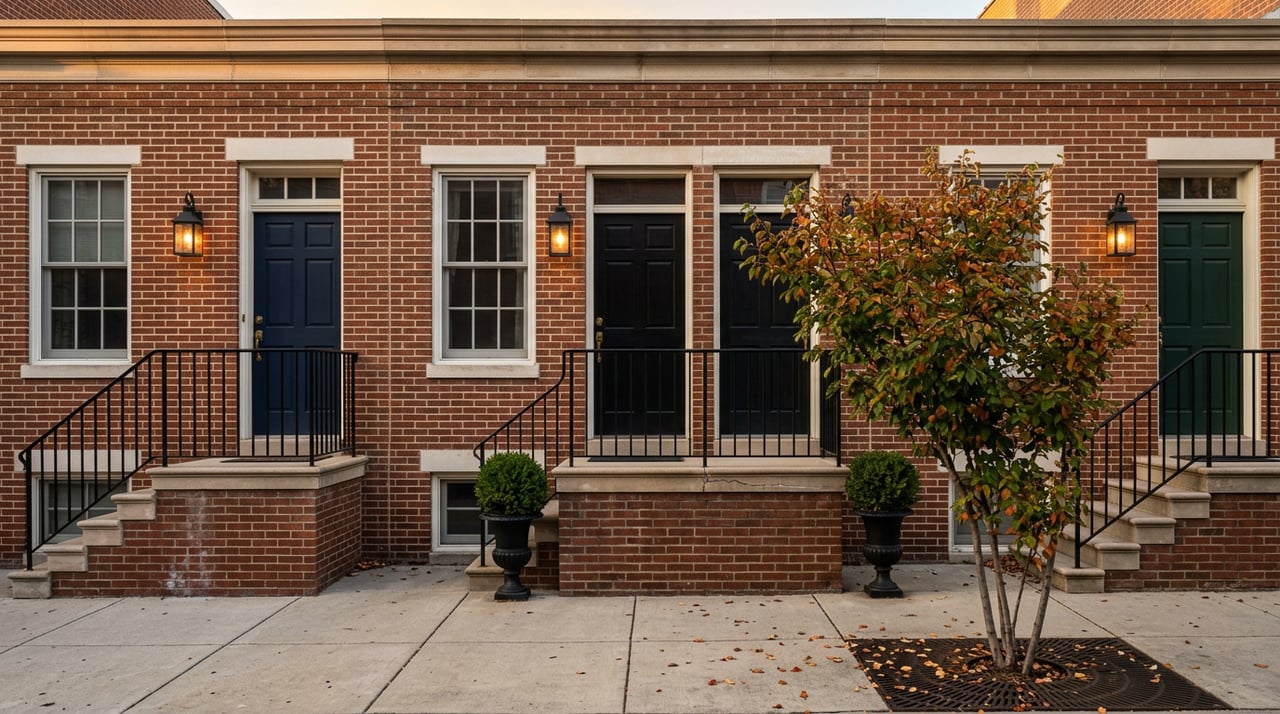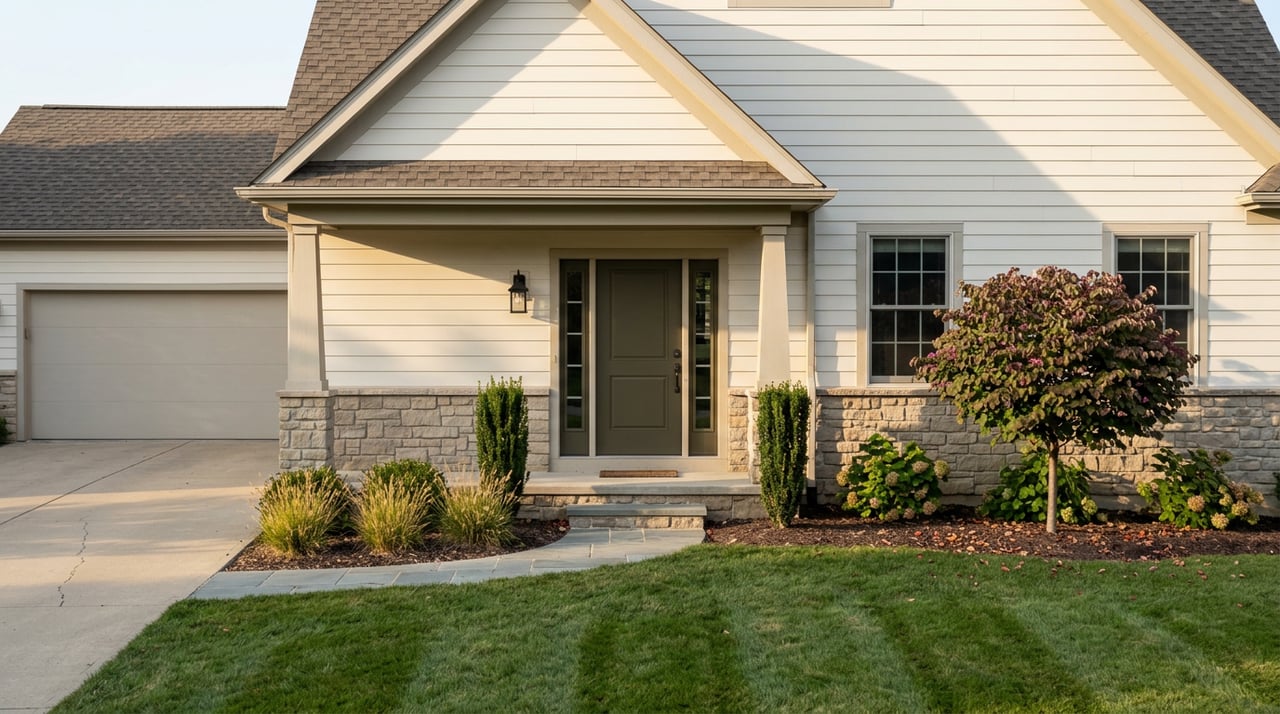
An appraisal is an integral part of the home buying process as it determines the objective value of a property. Lenders require an appraisal to help them evaluate a home before they issue a mortgage. Appraisals are done by trained and licensed appraisers, who will then give an unbiased report of the home's market value.
We’ve already uncovered some of the most common misconceptions about the home appraisal that most buyers and sellers have, and it’s a first step to understanding this valuable process. Now, the next important question is: “What do appraisers really look at during a real estate appraisal?”

Most appraisers use the Uniform Residential Appraisal Report by Fannie Mae, which includes a set of standards that determine the scope of an appraiser's inspection. They look at a number of factors to get an accurate appraisal, including:
The Home's Exterior

The appraiser will pay serious attention to the structural aspects of a home, specifically its foundation, walls, and roof. The checks will determine the integrity and functionality of these three major components, as well as any defects or damage in the general construction. Any problem with the roof or foundation can immediately deem the home unlivable.
The inspection will also assess the age of the home, any issues with siding or guttering, and evidence of leaks, cracks, or water damage. External factors such as flood-prone areas, dead trees, parking facilities, and the home’s observable exterior condition will also be noted.
Size of the Property

When evaluating a home, the size of the lot and the size of the home itself are key considerations. Appraisers look at total square footage, functional layout, and the number of bedrooms and bathrooms. More bedrooms and bathrooms generally mean higher expected value since most buyers seek ample living space.
The Condition of the Home's Interior

For an appraiser, the home’s interior condition is just as important as its exterior. They examine windows, doors, flooring, plumbing, electrical systems, and the quality of appliances. Kitchens, bathrooms, and other major living areas are inspected closely.
Health and safety issues—such as fire escapes and handrails—are reviewed. For major remodels, the appraiser checks code compliance. All appliances and fixtures, including dishwashers, refrigerators, washers/dryers, and ovens, are itemized.
Quality Home Improvements

Appraisers consider any home improvements, particularly high-quality upgrades, when determining value. Examples include:
New flooring
Renovated kitchen or bathroom
New HVAC system
Upgraded appliances
Insulated windows
Finished attic or garage
Installed smart technology
They also note amenities such as fireplaces, patios, fences, and porches.
Using Comparable Sales or “Comps”

The home's location and neighborhood play a big role in its value. Appraisers use “comparable sales” (comps)—recently sold homes in the area that are similar in age, size, and construction.
The goal is an apples-to-apples comparison: houses with houses, condos with condos. Adjustments are made for differences, such as additional bedrooms or structural issues like roof damage.
Bottom Line

An appraisal is not an exact science but an informed opinion based on comps and the property’s condition. The final valuation considers real estate market trends, sale prices, and the home’s unique features.
The appraisal report includes all data gathered, property details, and the reasoning behind the valuation. This report is sent to the lender, who uses it to guide loan decisions.